
 By
By 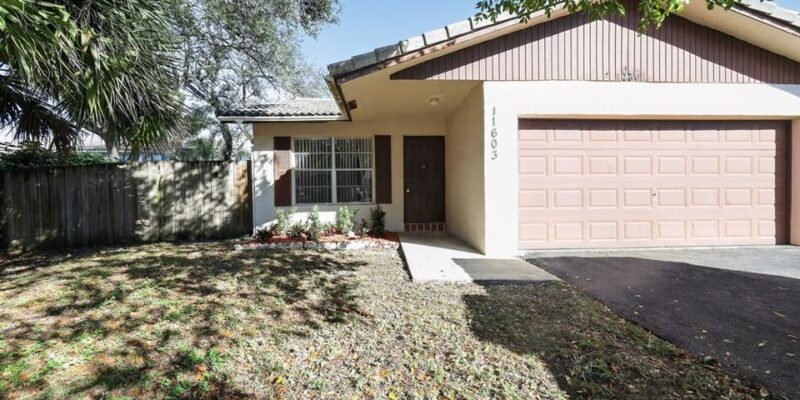
When Elena Morales first stepped onto the sun-washed front porch of the little coral-pink bungalow on Alhambra Circle, she saw more than peeling paint and overgrown hedges. She saw possibility. The home wasn’t large, and it clearly wasn’t perfect, but its charm spoke to her in a way the polished, move-in-ready homes never had. It was listed at $300,000, far below anything comparable in Coral Gables—a neighborhood known for historic character, tree-lined streets, and equally steep price tags.
The listing agent had been honest: the home needed work. Plenty of it.
The AC hadn’t run in years. The plumbing groaned and clanked when the water was turned on. The electrical panel was from 1974 and looked like it belonged in a museum. And the small detached garage was filled wall-to-wall with decades of discarded furniture, boxes, and rusted lawn equipment.
Note: Need fast and reliable ac repair residents trust? Call City ACS in Davie Florida today for expert service, affordable rates, and same-day solutions to keep your home cool and comfortable!
Most buyers had turned away.
But Elena didn’t flinch. She had spent the last three years saving for a home, and she was determined to find something she could make her own. She had always loved old properties—the way they carried stories in their walls—and she believed this fixer-upper could be restored to the beauty it once had.
The Inspection That Changed Everything
On her second visit, Elena brought along a home inspector, an HVAC tech, and a plumber. She wanted no surprises—at least none she could avoid.
The findings were blunt:
- The AC system would need a complete replacement, including ductwork.
- The plumbing had multiple leaks, an aging cast-iron drain line, and water pressure that fluctuated wildly.
- The electrical panel had to be upgraded, and several outlets weren’t grounded.
- The garage full of junk would require professional removal—some items were too large or hazardous to move alone.
The total repair estimate hovered between $45,000 and $65,000, depending on material choices.
Most buyers would walk away.
Elena instead asked the question that mattered most:
“Can the repairs be financed through the mortgage?”
Her lender smiled. “Absolutely. You have options.”
Exploring Mortgage Possibilities
1. FHA 203(k) Renovation Loan
This was the first option her lender presented. With a 203(k), Elena could roll the cost of repairs into the mortgage, paying for everything—from AC replacement to plumbing upgrades—over the life of the loan. Even junk removal and garage cleanup could be included under the “repair and rehabilitation” category.
The loan would be based on the after-repair value (ARV) rather than the current value of the home.
“So,” the lender explained, “if the home will be worth $400,000 after the upgrades, the loan can be structured around that value.”
Elena appreciated the flexibility, especially because AC, plumbing, and electrical were considered eligible mechanical improvements under FHA guidelines.
Note: We are a quality mortgage brokerage firm in South Florida that provides great, competitive rates with flexible types of loan packages. Need a Mortgage broker click here.
2. Fannie Mae HomeStyle Renovation Loan
The second option was a HomeStyle loan, a conventional mortgage that also allowed repairs to be financed. Unlike the FHA program, HomeStyle didn’t come with up-front mortgage insurance fees and allowed for a broader range of upgrades—including some cosmetic work.
This loan would also fund:
- AC replacement
- Plumbing modernizations
- Electrical panel upgrades
- Mold remediation
- Junk removal
- Roofing work (if needed later)
It offered more freedom but required a higher credit score.
3. Freddie Mac CHOICERenovation Loan
Similar to HomeStyle, this conventional option also financed renovations. It was flexible, allowed licensed contractors to complete all major work, and could be bundled with down-payment assistance if needed.
4. A Standard Mortgage + Seller Credits
A traditional mortgage paired with seller credits was another path. If the seller agreed to contribute, say, $15,000 in credits, Elena could apply that toward repairs after closing. But given the condition of the home, this likely wouldn’t cover everything.
5. HELOC After Closing (Future Option)
The lender mentioned this as a “later” strategy. Since the home would likely gain significant value after repairs, a home equity line of credit could eventually be used to expand the remodel or add modern touches.
But for now, she needed a loan that covered the initial work.
Crunching the Numbers
After reviewing the estimates, Elena was leaning toward the FHA 203(k). The lower down-payment requirement fit her budget, and the program allowed her to fund nearly every repair the home needed.
Here’s how the numbers worked:
- Purchase price: $300,000
- Estimated repairs: $55,000
- After-repair value: approx. $400,000
Under a 203(k), Elena could borrow up to 110% of the after-repair value, giving her plenty of room to finance the renovations while keeping monthly payments manageable.
She felt relief wash over her. The financing hurdle—the one that scared away so many buyers—was solvable.
Note: Gold Standard Electric is committed to quality workmanship. The electrician caters to the South Florida Market with a focus in Residential and Commercial jobs.
Planning the Renovation
Elena met with a contractor experienced with 203(k) projects and created a repair list:
1. Replace the AC system
A new 4-ton high-efficiency unit would cool the entire home.
Cost: ~$12,000
2. Repipe the plumbing
The old cast-iron drain line would be replaced, and the supply lines upgraded.
Cost: ~$18,000
3. Upgrade the electrical system
A modern breaker panel, grounding, and GFCI outlets throughout the home.
Cost: ~$8,500
4. Junk removal
The garage would be emptied and the yard cleaned.
Cost: ~$2,000
5. Minor cosmetic improvements
Fresh paint, lighting fixtures, and refinished hardwood floors.
Cost: ~$12,000
The contractor assured her that all of these could be packaged together and paid directly from the renovation escrow account created through the mortgage.
The more she planned, the more real it all felt.
The Offer
Armed with her inspection reports and repair estimates, Elena submitted an offer of $270,000, along with a detailed explanation of the repairs required. The seller, who lived out of state and just wanted to be done with the property, countered at $280,000.
Elena accepted.
Her renovation loan would cover:
- the purchase
- the repairs
- the junk removal
- the upgrades that would make the home truly hers
This wasn’t just a purchase anymore—it was a transformation.
A New Beginning in Coral Gables
Three months later, Elena walked into the finished home for the first time. The cool air from the brand-new AC wrapped around her. The faucets flowed smoothly. Every room was bright and safe. And the garage—once filled with decades of abandoned clutter—was now clean and ready for her future art studio.
She looked out the back window toward the palms swaying in the Coral Gables breeze and felt an overwhelming sense of accomplishment.
She hadn’t just bought a house.
She had revived one.
A home that everyone else overlooked had become her sanctuary, financed smartly, renovated the right way, and restored with care.
And it all began with a fixer-upper that cost $300,000—and a willingness to see the beauty behind the repairs.











Comments