
 By
By 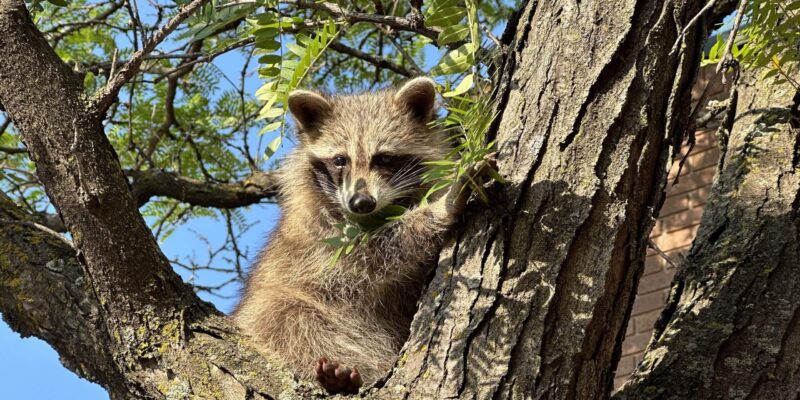
Raccoons finding their way into attics through weak rooflines are a growing problem for homeowners in St. Louis and elsewhere. The city’s older housing stock, paired with the extreme weather cycles in Missouri, provides ample points of entry for these resilient creatures. Crumbling fascia boards, empty spaces with loose shingles, and fully decayed soffits become open doors for hungry raccoons looking for a home.
Once they get in, they can destroy insulation, wiring, and whatever you may have stored inside, and create health hazards with droppings and parasites. If you hear scratching sounds in your ceiling or see damage around the edges of your roof, contact a wildlife control specialist before the situation worsens. After that, you might also want to get an inspection done by Belleville exterminators.
How Missouri Weather Accelerates Roofline Deterioration
With extreme weather, from boiling heat to cold, St. Louis can really harm a roofing system. The hot, humid summers and freezing winters cause the roofs to continually expand and contract, which takes a toll on roof structures over time.
Common Weak Spots Raccoons Target First
Raccoons are surprisingly adept and crafty at identifying structural vulnerabilities. Their nimble paws and sharp claws help them shred and rip materials quickly.
Primary entry points include:
- Roof-to-wall junctions – Over time, as materials settle and naturally wear with age, gaps can form at the intersection of two different rooflines.
- Damaged soffit vents – Plastic or aluminium vents that lose their pliability and become easy to break .
- Loose or missing shingles – Bare underlayment offers little deterrent for determined raccoons
- Rotted fascia boards – Wood exposed to water and located in the vicinity of gutters can disintegrate easily with some pressure
- Chimney gaps – Openings at the roof line due to the space between the chimney and the roofing
Why Raccoons Prefer Attics in Older St. Louis Homes
More than 79,000 housing units in St. Louis were constructed prior to 1940, many of which have large, uninsulated attics. It provides raccoons with space from predators and shelter from the harshest weather, and gives them a source of food in the neighbourhoods surrounding it. The dark, quiet place is excellent for pups because during the spring breeding season, female raccoons look for safe locations to den.
Repairs That Seal Raccoons Out Without Major Renovation
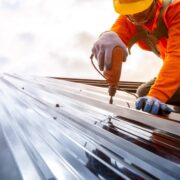
You do not need a complete roof re-roofing to keep raccoons out of your home. You can carefully choose repair points at a cost-effective price to seal entry points. Install heavy-gauge aluminum soffit panels that are claw-resistant from the start. Reattach any loose shingles with roofing cement, and use metal flashing at any weak spots.
Never cover the roof vents with hardware cloth stapled in place. Remove jumping access at least 8 feet from the roofline by trimming back tree branches. For rotting fascia boards, remove the affected sections of wood, replace them with pressure-treated lumber, and then paint them to match.
When Roof Damage Signals It’s Time for a Professional
Not all scenarios can be handled with a DIY approach. If you see any sagging areas in that roofline, many shingles missing in clusters, or even daylight coming through the ceiling of your attic, there may be damage beyond just minor fixes.
If the wood in your attic has water stains, you have a leak that is damaging your roof. Local data from the St. Louis Metropolitan Sewer District shows that St. Louis homes face widespread water infiltration problems, especially in older homes. Once raccoons are living in your attic, they need to be humanely removed before any repairs, or they will break through newly closed areas. St. Louis-based Pointe Pest Control specializes in wildlife removal, not only eliminating the animal but also identifying the entry point. Their professionals can determine which types of roof weaknesses require prompt repairs and which will provide permanent protection against future invasion.





Comments