
 By
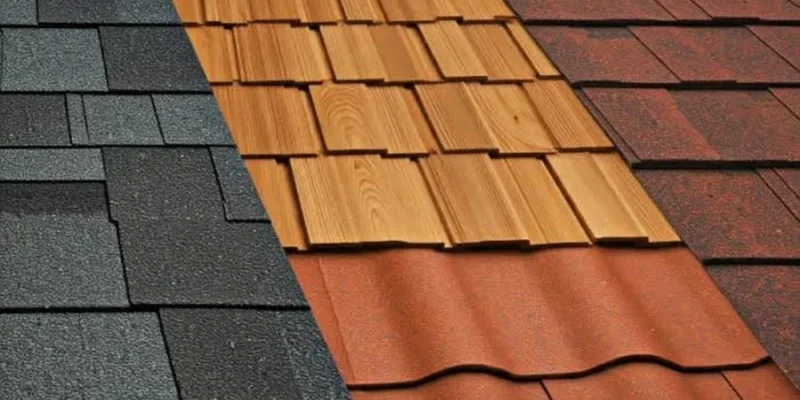
Every bundle of asphalt shingles arrives wrapped in paper that most homeowners never read. It gets torn off on the driveway and swept into a dumpster. That wrapper, though, says more about how a roof will hold up than almost any sales brochure. It lists the wind rating, any impact class, whether the granules fight algae, and the fine print behind the warranty.
Southwest Michigan gives those numbers a real workout. Summer thunderstorms roll across the farm fields with gusty straight-line winds and the odd burst of hail. Winters bring snow, ice at the eaves and weeks of freeze and thaw. Lake cottages sit under oaks and maples that keep their roofs damp and shaded half the year.
Anyone pricing a new shingle roof in Barry County runs into these labels fast, whether the house is a cottage near Gun Lake or a farmhouse outside Hastings. Recent jobs posted by qualityroofingnmi.com, a Michigan roofing and exterior contractor, show the kind of detail worth asking about, from Owens Corning 30-year architectural shingles finished with high-profile hip and ridge caps to a tear-off where rooftop solar panels were detached and carefully reset on the new roof.
Before comparing products, it helps to know what the wrapper is actually telling you.
- Wind rating. Look for ASTM D3161 or ASTM D7158 along with a class letter. Class A under D3161 means 60 mph, while Class F means 110 mph. Under D7158, Class H stands for 150 mph.
- Impact class. A UL 2218 Class 4 label means the shingle survived a two-inch steel ball dropped from 20 feet without cracking.
- Algae resistance. Copper-infused granules slow the black streaks that spread across shaded slopes.
- Warranty terms. A “lifetime” warranty is usually limited and prorated, with full coverage lasting only through an early window.
With that decoder in hand, the three main shingle families start to look very different.
The Flat Workhorse That Is Fading Out
Three-tab shingles are the single-layer, evenly slotted shingles found on countless ranch homes built from the 1960s through the 1990s. They are light, cheap and easy to repair, which is why so many older roofs in small Michigan towns still wear them.
Their weakness shows up in wind. Standard three-tab products often carry ratings around 60 mph, and their thin, flat tabs give gusts an easy edge to grab. Several major manufacturers have trimmed or dropped their three-tab lines over the past few years, which makes matching color for a patch harder every season. For a full replacement, few homeowners choose them anymore unless the budget is very tight or the building is a shed or detached garage.
Two Layers and a Lot More Weight
Architectural shingles, sometimes called laminated or dimensional, bond two layers of asphalt mat together. The result is thicker, heavier and textured enough to cast small shadows that resemble wood shake or slate from the street.
That extra mass does real work. Many architectural lines are rated for 110 to 130 mph winds with standard nailing, and the bonded layers resist curling and tearing better through hot July afternoons and frozen February nights. Warranties tend to run longer too. In Michigan’s climate, a well-installed architectural roof commonly lasts somewhere in the range of 20 to 30 years, depending on ventilation, shade and color.
Color deserves more thought than it usually gets. Darker shingles absorb more summer heat, which ages the asphalt faster and warms the attic. Lighter tones reflect more sunlight but can show streaks sooner under heavy tree cover. On lakefront lots shaded by big hardwoods, algae-resistant granules are worth the small added cost no matter the color.
Rated for Hail but Not All Equal
Impact-resistant shingles are built with rubberized asphalt or reinforced mats so they flex instead of cracking when hail hits. Many carry that UL 2218 Class 4 label, and some insurers offer premium discounts for them, so it pays to ask your agent before choosing.
Here is where the story gets more interesting. The Insurance Institute for Business and Home Safety buys shingles off store shelves and fires lab-made hailstones at them, which mimics real storms far better than steel balls. Its research has found that plenty of Class 4 products do not perform as well as the label suggests. InterNACHI, the international home inspectors’ association, also explains why cold, overlaid and poorly supported shingles take hail damage more easily, which goes a long way toward explaining that gap. In the 2025 round, IBHS tested 24 products and none earned its top “Excellent” rating, although most landed in the “Good” range.
For a home that sits in open farm country where storms build quickly in June and July, an impact-resistant shingle with a strong independent score is often the smartest upgrade available. For a heavily wooded lot that rarely sees hail, the money may do more good in ventilation or underlayment.
The Work Nobody Sees From the Street
A premium shingle installed poorly will fail long before a basic one installed well. A handful of details decide how long any of these products actually lasts.
Nailing comes first. Most shingles call for four nails each, and six in high-wind installations, placed inside the marked nailing strip. Nails set too high or driven at an angle let wind peel tabs loose.
Starter strips along the eaves and rake edges seal the first course down so gusts cannot lift the roof from its edges.
Ice barrier membrane at the eaves matters in any Michigan winter. Local codes, built on the International Residential Code, call for it where ice damming is a known risk, and valleys benefit from it too.
Ventilation is the one homeowners forget. Balanced intake at the soffits and exhaust near the ridge keeps the attic cooler in summer and drier in winter. Many manufacturers can deny warranty claims when the attic is poorly vented.
Tear It Off or Layer It Over
Michigan follows the residential code limit of two shingle layers, so a house already carrying two roofs needs a full tear-off. Even when an overlay is allowed, tearing off is usually the better call. It exposes soft decking, lets the crew install fresh underlayment and ice barrier, and is often required for a manufacturer’s enhanced system warranty. A reroof also needs a permit from the local building department, and the contractor should hold a Michigan residential builder or maintenance and alteration license.
Choosing among the three families comes down to the weather your particular house sees. An open farmhouse facing west takes the brunt of summer storms. A cottage tucked under hardwoods fights shade, moisture and moss. A newer subdivision home may simply need solid wind performance and good ventilation. Read the wrapper, ask how it will be nailed, and the right shingle usually becomes obvious long before the first bundle is opened.








Comments