
 By
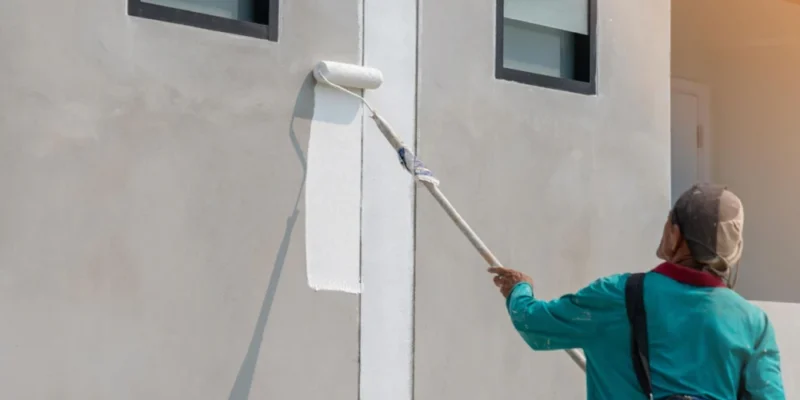
The trim on a Clintonville bungalow gets a fresh coat in May. It looks crisp all summer. By Labor Day, long curls of paint are lifting off the window casings and the porch rail, and the homeowner is left wondering what went wrong with a premium can that cost sixty dollars a gallon. Usually nothing went wrong with the can. The problem is that the old paint underneath was never asked a single question before the new paint was rolled over it.
Painters who spend most of their time in central Ohio’s older housing stock tend to treat the existing finish as the real starting point of any job, and crews like Columbus Paint Pros build drywall repair, plaster repair and wall patching into their standard prep instead of treating them as extras. That logic applies whether you hire the work out or pick up a brush yourself on a Saturday. A new coat can only perform as well as the surface it is gripping.
Columbus is full of houses where that surface is complicated. German Village, Victorian Village, Italian Village, Bexley and the older streets of Upper Arlington hold homes that have been repainted four, five, sometimes ten times over the decades, often with completely different products each round. The good news is that a handful of simple checks, most of them needing nothing fancier than a rag, a roll of tape and a bottle of rubbing alcohol, will tell you what you are actually painting over.
The Rubbing Alcohol Rag Knows Oil From Latex
This is the first test because it changes everything that follows. Dampen a cotton ball or a corner of a white rag with rubbing alcohol or denatured alcohol and rub a small, out of sight spot on the trim for about fifteen seconds. If color transfers onto the rag and the surface turns slightly soft or tacky, the existing coat is latex. If the rag stays clean and the paint feels unchanged, you are looking at oil based (alkyd) paint.
Why does this matter so much? Latex applied directly over glossy oil paint has very little to hold onto. It may look perfect for weeks, then peel off in sheets, especially on doors, window sashes and kitchen cabinets that get handled every day. Older homes almost always have oil somewhere, most often on woodwork. When the rag comes back clean, the surface needs a scuff sanding, a thorough cleaning and a bonding primer before any water based topcoat goes near it.
A Strip of Tape Is the Cheapest Adhesion Report You Will Ever Get
Coatings professionals use a formal crosshatch method to grade how well paint is sticking. A simplified version works fine at home.
- Pick an inconspicuous spot and use a sharp utility knife to cut a small grid, roughly six lines each direction, deep enough to reach the wood or plaster underneath.
- Press a strip of masking tape or duct tape firmly over the grid and rub it down with your thumb.
- Pull the tape off quickly, back over itself at a sharp angle.
Clean tape means the existing paint is well bonded and can likely take another coat. Flakes or full squares on the tape tell a different story. The layers below are already letting go, and the added weight and shrinkage of a new coat will only speed that up. Pay attention to where the failure happens, too. If the paint separates between two old layers, sanding and priming may be enough. If it lifts right down to bare wood, that area usually needs to be scraped back to sound material.
Chalk on Your Palm Means the Siding Is Shedding
Walk to the sunniest side of the house, usually the south or west wall, and run your open hand across the siding. If your palm comes away dusted with white or colored powder, the paint is chalking. Years of ultraviolet exposure have broken down the binder that holds the pigment together, and the surface is slowly turning to dust.
New paint applied over chalk bonds to the powder rather than the siding, which is a recipe for early failure. Chalky walls need a proper wash with a scrub brush or a low pressure rinse, time to dry fully, and in heavier cases a primer formulated to bind leftover chalk. Columbus summers combine strong sun with sticky humidity, so chalking shows up faster on exposed elevations than many people expect.
Where Water Lives, Paint Leaves
Blisters, bubbles and peeling concentrated in one place almost always point to moisture. Look at bathroom ceilings, window sills, the bottom edges of siding boards and any wall directly under a gutter. An inexpensive pin type moisture meter from a hardware store is worth having here. Bare wood reading much above fifteen percent is generally too wet to paint, and coating it seals that water inside.
Ohio’s freeze and thaw cycles make this worse. Water trapped behind a paint film expands every cold night and pushes the coating away from the wood. The order of operations matters, so fix the gutter, recaulk the joint or add the exhaust fan first, and paint afterward. Bare or untreated wood, such as the drywall returns and wood framing around skylights, deserves the same caution. It needs the right primer for its surface, and skipping that step is one of the most common reasons a fresh paint job looks tired within a few months.
Plaster Walls Keep Older Secrets
Plaster over wood lath is still common inside Columbus homes built before the middle of the last century, and it behaves nothing like modern drywall. Knock gently along the wall with your knuckles. A solid thud is good. A hollow, drum like sound suggests the plaster has pulled away from the lath behind it, and painting over that spot only hides a section that may eventually crack or sag.
Old ceilings can hide another trap called calcimine, a chalky, water soluble paint used generations ago. Wipe a small area with a damp sponge. If a milky residue comes off easily, calcimine is likely present, and new paint will not stay on it. It has to be washed off completely or locked down with an oil based or shellac primer. While you are looking up, watch for faint seams or bubbles that hint at wallpaper buried under later coats of paint.
The Test Nobody Should Skip on an Older House
The federal government banned lead based paint for residential use in 1978, and a large share of Columbus homes were built well before that year. Lead tends to sit in the deeper layers, and it is most hazardous on friction and impact surfaces like windows, doors, stair treads and porch floors, where everyday wear grinds it into dust.
Home test kits recognized by the EPA can give a quick answer on a specific surface, while a certified inspector using an XRF device can check the whole house without damaging anything. Testing matters because ordinary prep work, such as dry sanding, scraping and heat guns, can spread lead dust through a home in an afternoon. Under the EPA’s Lead Renovation, Repair and Painting Program, contractors who disturb painted surfaces in pre-1978 homes must be lead safe certified and follow specific work practices. Homeowners working on their own houses are exempt from the rule, but the dust is just as dangerous to a family whether a contractor or a DIYer creates it. If you are hiring, asking to see that certification is a reasonable and routine request.
Putting the Results Side by Side
One failed test rarely decides the whole project on its own. The patterns are what count. Trim that fails the alcohol test but passes the tape test usually just needs deglossing and a bonding primer. Trim that fails both, on a house built in the 1920s, calls for lead testing before anyone picks up a scraper, and possibly stripping back to bare wood. Chalky siding with dry readings is a cleaning and priming job, while chalky siding with wet readings behind the gutters points to a drainage problem first.
Timing deserves a thought as well. Many exterior latex paints want air and surface temperatures around fifty degrees or higher while they cure, and central Ohio’s autumn nights can drop below that even when afternoons feel mild. Starting the testing early gives you room to solve problems before the painting window closes.
None of these checks takes more than a few minutes, and together they turn guesswork into a plan. The finish you see on the wall is only the top of a long history, and paint that lasts is paint that was matched to everything already sitting beneath it.







Comments