
 By
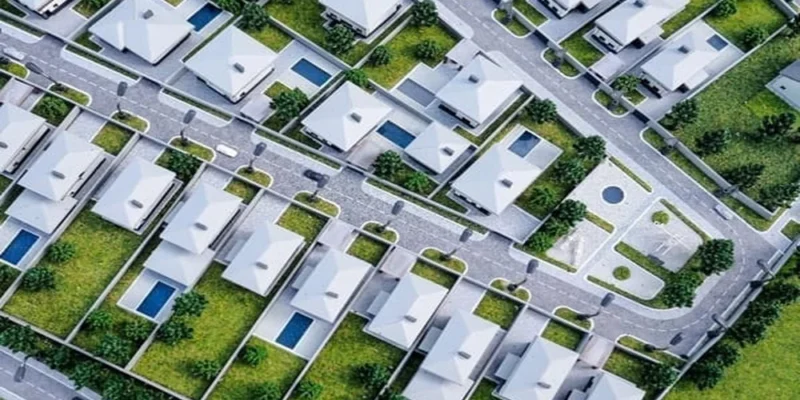
People exploring residential property options may come across different types of developments, including residential plots, independent villas and large township projects. Although all these options are related to housing, they differ in ownership, construction responsibilities, infrastructure and maintenance requirements. Understanding these differences can help buyers select a property according to their budget, lifestyle and future plans. When evaluating The Ridge Shimla, buyers should first understand the actual property type being offered and compare it with their residential requirements.
1. What Is a Residential Plot?
A residential plot is a defined piece of land intended for residential use, subject to applicable planning rules and permissions. Buyers generally purchase the land and may construct a house according to the approved regulations.
The main advantage of a plot is the flexibility it may provide in planning a home. Buyers can work with architects to design a house based on their family requirements, plot dimensions and local building rules.
However, owning a plot does not automatically provide a ready-to-use home. Buyers need to consider construction costs, building approvals, utility connections, boundary work and site preparation.
2. What Is a Villa?
A villa is generally an independent residential house designed for individual or family use. It may include private outdoor areas, parking and other residential features, depending on the layout and project.
Unlike a vacant plot, a completed villa provides an existing residential structure. Buyers may therefore have fewer construction-related responsibilities, although the condition and specifications of the property should still be checked.
If a villa is under construction, buyers should examine the approved plans, construction specifications, possession terms and applicable regulatory details.
3. What Is a Township Development?
A township is generally a larger planned development that may include different residential formats and shared infrastructure. Depending on its approved plan, it may contain apartments, plots, villas, internal roads, open spaces and community facilities.
Township planning may provide an organised layout for residential and shared areas. However, the facilities and development phases can differ from one project to another.
Buyers should verify the approved master plan and understand which facilities are completed, proposed or under construction. The actual project scope should be confirmed through official documents.
4. Differences in Ownership and Construction
Ownership and construction responsibilities are important differences between these property types.
In a residential plot purchase, the buyer generally acquires the land and may need to arrange construction separately. The design and construction must follow local regulations and approved plans.
In a villa purchase, the buyer acquires a residential structure along with the associated land or property rights as described in the agreement. The exact ownership arrangement should be checked carefully.
In a township, buyers may purchase a plot, villa or apartment within a larger development. Their rights and responsibilities will depend on the specific property type and project documents.
5. Differences in Cost and Budget Planning
The financial requirements of plots, villas and township properties can vary considerably.
A plot may have a lower initial purchase price than a completed house, but construction expenses need to be added separately. These may include architectural fees, approvals, labour, materials and utility connections.
A completed villa may have a higher purchase price, but the buyer may not need to manage the entire construction process.
Township properties may include costs related to shared infrastructure, common facilities and maintenance. Buyers should examine the complete payment schedule and recurring charges before making a decision.
6. Infrastructure and Shared Facilities
Residential plots may be located in standalone layouts or planned developments. The availability of roads, electricity, water supply and drainage should be verified.
Villas may be part of independent developments or gated communities. Shared facilities, security and maintenance arrangements can differ depending on the project.
Townships may include a wider range of common infrastructure and facilities. However, buyers should check the actual availability, operating status and maintenance responsibilities of each facility.
People researching india wellness capital should identify the exact property options available and understand whether they relate to plots, villas or other residential formats. Project descriptions should be compared with the official layout and documents.
7. Legal Approvals and Documentation
Legal checks are necessary for all three property types.
For residential plots, buyers should examine land ownership, title documents, land-use classification, layout approval and construction permissions.
For villas, they should review land title, building approvals, construction plans, completion or occupancy documents where applicable, and the sale agreement.
For township developments, buyers should examine the overall project permissions, approved master plan, phase-wise details and applicable regulatory registration.
MahaRERA applicability should be verified through the official state portal wherever required. A property lawyer can help determine the documents needed for a specific transaction.
8. Maintenance Responsibilities
A plot owner may be responsible for maintaining the land, boundary walls and any infrastructure-related obligations mentioned in the agreement.
Villa maintenance may include building repairs, plumbing, electrical systems, landscaping and other property-related expenses. In a gated development, common-area maintenance charges may also apply.
Townships usually have shared infrastructure that requires regular management. Roads, gardens, lighting, waste facilities and common spaces may be maintained through an association or facility management arrangement.
Buyers should understand recurring costs and management responsibilities before purchasing.
9. Which Option Should Buyers Consider?
The right property type depends on the buyer’s purpose and financial situation.
A residential plot may suit someone who wants to plan and construct a home according to personal requirements. A villa may suit someone looking for an independent residential structure. A township may appeal to buyers who prefer a larger planned development with shared infrastructure.
Those comparing hiranandani alibaug with other residential options should examine the actual product type, land details, construction status, legal permissions and total ownership costs. The project name alone should not determine the decision.
Conclusion
Residential plots, villas and township developments offer different ownership structures, construction responsibilities and maintenance requirements. Buyers should compare their budget, future plans, legal documentation, infrastructure and property management arrangements. Understanding the actual property type and verifying project details can help buyers make a decision that is suitable for their needs.









Comments