
 By
By 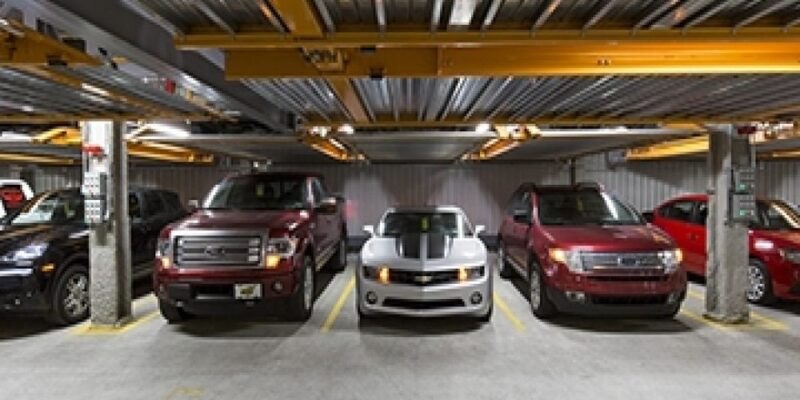
Key Takeaways
Parking stackers promise to boost vehicle capacity, but they often overlook practical factors like maneuverability and accessibility. This can create inefficiencies in real-world situations.
Traditional parking lots can maximize space without the complications of stacking systems. Yet, user experience with parking stackers sometimes suffers, mainly due to retrieval delays and unfamiliar technology.
Maintaining parking stackers can be pricey. Routine check-ups, the cost of parts, and repairs all contribute to ongoing operational expenses.
When you install parking stackers, you’ll encounter hidden costs such as site preparation and adherence to local regulations, making that initial investment a lot higher than you might expect.
Case studies show that real-world use of parking stackers can lead to complications, while hybrid systems that blend traditional parking options may provide better accessibility and overall satisfaction for users.
User testimonials often reveal mixed emotions about parking stackers; some appreciate the idea, but many find the retrieval process tedious and time-consuming.
Alternative parking solutions-think automated systems, mobile apps, and sustainable designs-are emerging as viable contenders. They might be more efficient and cost-effective compared to conventional parking stackers.
Are Parking Stackers Really Space Savers?
Understanding the True Spatial Efficiency of Stackers
Picture yourself in a jam-packed parking lot. Cars are tightened into every available spot. It’s frustrating, isn’t it? That’s why the buzz around parking stackers sounds enticing-they seem like a fix for our space challenges. But let’s be real: do they actually save space, or is that just a marketing gimmick?
Many enthusiasts swear that parking stackers dramatically increase the number of vehicles you can fit per square foot. True, I suppose. But here’s the catch: those impressive numbers could be misleading. Stackers shine in vertical efficiency, but they often overlook practical aspects. For example, you have to account for the aisle space needed to maneuver cars. Are we really gaining efficiency, or losing it in the process?
Before we dig deeper, let’s talk about layout efficiency. A well-designed traditional parking lot can fit a surprising number of vehicles without the stacking inconvenience. Here’s a thought: Can the supposed efficiency of a parking stacker truly meet the needs of drivers who just want to park quickly?
Comparative Analysis: Stackers vs. Traditional Parking
Let’s break it down: stackers versus traditional parking. It’s not merely about numbers-it’s really about user experience and actual utility. When I consider typical parking scenarios, three critical factors pop into my head: accessibility, maintenance, and user familiarity.
- Accessibility: Can everyone easily get to their car? With stackers, retrieval sometimes means waiting for the whole system to adjust.
- Maintenance: Regular upkeep is a must for stackers, which can lead to times when they’re just out of commission.
- User Familiarity: Would you trust tech you’re not familiar with to retrieve your vehicle? Many people are hesitant about the complexities of parking stackers.
In a nutshell, while stackers may promise space savings on paper, the actual user experience often tells a different story. Traditional parking facilities hold their own, provided they’re well managed. And isn’t that the goal? Finding a sweet spot between efficient use of space and easy access?
The Hidden Costs of Installing Parking Stackers
Long-Term Maintenance: What to Expect
Now, let’s uncover what lurks behind the polished exterior of parking stackers: maintenance costs. They look sleek and high-tech, but maintaining a parking stacker can really take a toll on resources. Mechanical components can wear out, software needs updates, and let’s not even get started on those sensors that seem to fail just when you need them most.
I’ve spoken with facility managers who have direct experience with these systems. Maintenance isn’t purely about fixing broken parts; it’s about keeping everything running smoothly without busting the budget. And sometimes, the cost of parts is a real eye-opener: some large components can be very expensive, and replacing them could disrupt operations for a while.
So, what key maintenance costs should you keep an eye on?
- Routine Check-ups: Bi-annual or quarterly inspections can increase operational costs.
- Spare Parts: Not all components are universally compatible, which can elevate expenses and extend downtime.
- Repairs: You might encounter major repairs that take you by surprise.
In the end, there’s a genuine price tag that comes with the convenience of stacking vehicles. So, are we really investing in efficiency, or just shifting costs around?
Installation Expenses: A Closer Look
It’d be great if installation were a breeze, right? But here’s the reality: it’s rarely as straightforward as vendors present it to be. Initial installation costs for parking stackers involve more than just the equipment itself. You also need to consider site preparation, permits, and sometimes even structural reinforcements. If you think all you need is a plug-and-play setup, think again.
Take a moment to reflect on this: many facilities underestimate how complex the installation can actually be. What looks simple can easily turn into a substantial financial burden. Here’s a quick overview of potential installation costs:
- Site Preparation: Groundwork isn’t cheap. Depending on other structures, major renovations can escalate budgets.
- Permitting and Regulations: Compliance can be a lengthy process. Make sure you’re up to speed with local laws.
- Equipment Costs: It’s not only about the stackers. Cranes for installation? Those costs pile up.
So, while it’s tempting to be dazzled by flashy promises of high-density parking solutions, remember to dig into the details. Installation can be costly, and surprises often come your way.
Real World Experiences: Do Stackers Deliver on Their Promises?
Case Studies: Success Stories and Failures
Once upon a time, a major urban property developer decided to roll out a much-lauded parking system: parking stackers. They claimed it’d be a brilliant answer to tight city parking spaces. The idea sounded fantastic, right? But once they implemented it? That’s when the problems started.
The hurdles were significant. They struggled with the complexity of the retrieval systems, leaving users stressed and frustrated. Meanwhile, a less conspicuous suburban shopping center decided on a hybrid system-a mix of stackers and standard spaces. You won’t believe it, but that blend thrived. The key was accessibility, and customers valued the straightforward options over the complex ones.
What can we learn from this? Well, the real-world performance often strays far from the marketing narrative. Don’t buy into the shiny sales pitch. Instead, seek out stories where users have faced success or difficulties with these systems.
User Testimonials: The Good, the Bad, and the Ugly
Let’s dive into the experiences of the folks interacting with stacking systems. User testimonials are so important. I gathered a few quotes from a range of users. Here’s what they shared:
“I love the concept, but the waiting time can drive me crazy on busy afternoons!” – Downtown Business Owner
“Operating it has been smooth for me, but getting my car out can feel like a hassle.” – Mall Parking Lot Attendant
Mixed feelings, right? Users show appreciation for the innovation, yet find the entire system a bit cumbersome at times. After all, parking should ideally be convenient. If stackers complicate that ease, what’s the real benefit? We all prefer to park and shop rather than sit around waiting for a machine.
So, before jumping on the stacker bandwagon, consider some authentic feedback from those who’ve interacted with these systems in real life. It could save you a significant headache later on.
Alternative Solutions: What Options Exist Beyond Stackers?
Innovative Technologies Shaping the Future of Parking
Despite all the chatter about parking stackers, they’re not the only game in town. Technology is advancing rapidly, and other solutions offer varying degrees of convenience and efficiency. Let’s throw some alternatives into the mix. There’s a growing demand for smarter, more efficient parking solutions, and several innovations are stepping up to the plate.
- Automated Parking Systems: These can provide a more advanced tech-based approach to parking without needing physical stackers.
- Mobile Apps for Parking Management: Apps are helping drivers discover available spots faster. Efficiency is key!
- Sustainable Parking Solutions: Think about green rooftops or mixed-use areas that reduce environmental impact.
Diving into what’s available beyond parking stackers could lead to new ways of tackling long-standing issues. Don’t let yourself get stuck focusing solely on one perceived solution.
Comparing Alternatives: Cost-Effectiveness and Efficiency
Alright, let’s lay out the numbers to see how these alternatives stack up against parking stackers. Profit margins and budget considerations are a must in this conversation!
- Automated Systems: They might come with higher upfront costs but can yield savings over time through reduced labor expenses.
- Mobile Management Apps: Low-cost options that could cut down operational time while boosting user satisfaction, all without pricey installations.
- Sustainable Solutions: They may need a significant initial outlay, but don’t overlook the potential for major long-term savings in maintenance and regulation compliance.
When assessing costs, each option has its unique pros and cons. But the essential takeaway? Don’t just chase after marketing hype. Do your due diligence. Factor in hidden costs, long-term effects, and the real experiences of others who’ve adopted these strategies before making any final calls.
FAQ
What are the key downsides to automated parking systems?
Automation can sound attractive, but let me tell you, they can come with high price tags and unforeseen maintenance challenges down the line. And if the tech glitches out, you might be left stranded while the system plays hard to get with your vehicle.
How does parking familiarity affect user satisfaction?
People tend to trust what they know. If users find parking stackers confusing, that can lead to a lot of frustration. When drivers feel comfortable with traditional parking methods, their satisfaction increases, and that’s what keeps them returning.
Are there specific regulations we should consider before installing stackers?
You bet! Local building codes can be quite complicated. Compliance is a requirement, not just a suggestion. If you overlook these regulations, expect the potential for hefty fines or even having to dismantle the newly installed system.
What are some common misconceptions about parking stackers?
A major myth is that they’re foolproof space savers. However, in reality, the learning curve and delays in retrieval can often overshadow those supposed benefits. Plus, let’s not forget: real user experiences can vary far from the utopian visions laid out by sales reps.
How is user feedback typically gathered for parking systems?
User feedback usually comes in through surveys, direct interviews, or online reviews. However, here’s the thing: it’s often those with strong feelings-whether positive or negative-who make their opinions heard. If you really want a solid read, you should get out there and ask the users directly.
What role does technology play in modern parking solutions beyond stackers?
Technology is reshaping the parking landscape. From mobile apps that pinpoint open spaces to smart sensors that help optimize parking layouts, innovations are focusing on enhancing efficiency and convenience for users. It’s all about improving the process without overwhelming the driver.
Can traditional parking ever genuinely compete with stackers in urban areas?
Well-managed traditional parking lots can certainly hold their own in urban areas. They provide the simplicity and accessibility that stackers often fall short of. Don’t dismiss them just yet. Sometimes, less can be more-especially when it comes to maneuverability.
What factors most influence the cost-effectiveness of parking solutions?
It really comes down to installation expenses, maintenance, and user satisfaction. If a system boasts low operational costs but requires constant repairs, then you’re just chasing a mirage. It’s vital to do the math and assess actual performance metrics over time rather than just relying on shiny advertising.











Comments