
 By
By 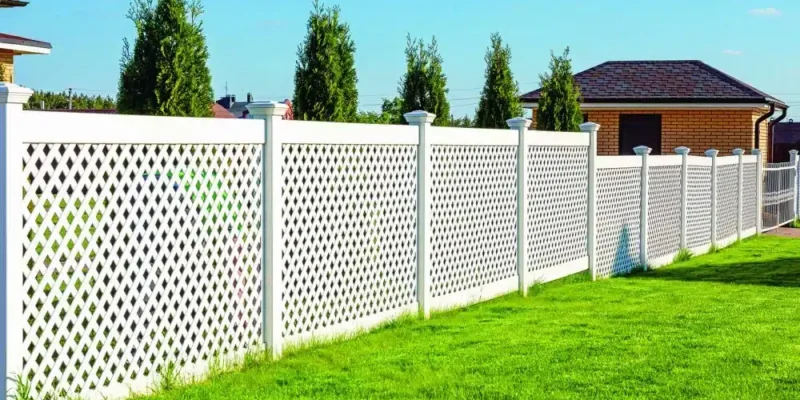
Not long ago, fencing was treated as a seasonal task. Most homeowners only thought about it when something went wrong, usually after winter. Storm damage, leaning posts, or broken panels would trigger a search for fencing companies near me, and the work would be done out of necessity rather than planning. That pattern is changing. In 2026, more homeowners are treating garden fencing as a year-round priority, not something to deal with once a problem appears. Many start by looking at York Fencing because they want to understand how to plan properly rather than react late.
After decades working as a fencing contractor across York, I can say this shift is driven by experience. Homeowners have realised that waiting for the “right season” often leads to rushed decisions, poor conditions, and repeat problems.
Why fencing was traditionally seen as a winter problem
For years, fencing issues showed themselves in winter. Strong winds exposed weak panels. Wet ground loosened posts. Timber softened at ground level.
Homeowners noticed damage at the worst possible time. They would then look for fence installation near me and try to fix the issue quickly.
This reactive cycle created the impression that fencing was a winter concern. In reality, winter simply revealed what had been developing all year.
The move toward proactive planning
One thing I see often on local jobs now is homeowners calling before anything has failed.
They notice early signs. Slight movement. Small gaps. Changes in alignment.
Instead of waiting, they act early. This allows them to choose materials, plan design, and schedule work properly.
Proactive planning leads to better outcomes and longer-lasting fences.
How year-round garden use has changed priorities
Gardens are used more consistently now. They are not just summer spaces.
People work from home, sit outside more often, and use their gardens throughout the year.
A boundary that only holds up visually in summer is no longer acceptable. Homeowners want fences that perform consistently, regardless of season.
This change in usage has made fencing a year-round concern.
Why spring and summer installations perform better
Installing fencing in drier conditions has clear advantages.
Soil is firmer. Posts can be set more accurately. Concrete cures properly.
In contrast, winter installations often involve saturated ground. Soil is soft, and conditions are less predictable.
Homeowners who plan ahead and carry out work in spring or summer often achieve better long-term results.
The role of clay soil across the seasons
York’s clay soil behaves differently depending on the time of year.
In winter, it holds water and softens. In summer, it shrinks and tightens.
I usually install posts at around 600mm to 750mm depth to reach more stable ground. This helps reduce the impact of seasonal movement.
Understanding how soil changes through the year is key to successful installation.
Why waiting for failure limits your options
When a fence fails in winter, choices are limited.
Materials may be harder to source quickly. Installation conditions are poor. Decisions are rushed.
Homeowners often accept short-term fixes just to restore the boundary.
Planning work earlier in the year allows for better decisions and more durable solutions.
The shift away from emergency repairs
Emergency repairs still happen, but they are becoming less common as the first response.
Homeowners are recognising that repeated repairs rarely solve the underlying issue.
Instead of searching for fence repair near me after each problem, they are planning full upgrades at the right time.
This reduces repeat disruption and improves overall performance.
Material choices are driving year-round thinking
Material awareness has improved.
Concrete posts are chosen more often because they resist rot at ground level. Composite panels are considered for their consistency and low maintenance.
Composite fencing cost is higher upfront, but many homeowners now see the long-term value.
These decisions are easier to make when work is planned, not rushed.
Why drainage matters in every season
Drainage is not just a winter issue.
If water collects around posts, it affects stability all year. Soil remains soft. Timber stays damp.
Proper installation includes attention to drainage from the start.
Homeowners planning work outside of emergency situations are more likely to address this properly.
The benefit of spreading work across the year
Fencing does not have to be replaced all at once.
Some homeowners now plan upgrades in stages. One boundary at a time. Priority areas first.
This spreads cost and allows each section to be installed in good conditions.
It also avoids the pressure of dealing with everything at once.
How repairs fit into year-round planning
Repairs still have a role when used correctly.
Early intervention can extend lifespan if the structure is sound.
Homeowners often review fence repair services in York to decide whether a repair will hold or whether replacement should be planned.
The difference now is that repairs are part of a plan, not the entire strategy.
Why new build homeowners are acting earlier
New build properties have accelerated this trend.
Fences installed into made-up ground often begin to move within a few seasons.
Homeowners are learning from experience and upgrading earlier rather than waiting for repeated issues.
Year-round planning allows them to address these problems properly.
The influence of property value and presentation
Fencing now plays a bigger role in how properties are perceived.
A straight, consistent boundary supports the overall appearance of the garden.
Homeowners preparing to sell often plan fencing upgrades well in advance rather than leaving them until the last moment.
Why contractors prefer planned work
From a contractor’s perspective, planned work produces better results.
Time can be taken to assess ground conditions. Materials can be chosen carefully. Installation can be carried out in the right conditions.
Rushed work rarely delivers the same level of quality.
Homeowners benefit from this difference.
How year-round planning improves lifespan
Fences installed in good conditions, with proper depth and drainage, last longer.
They are less likely to move. Panels remain aligned. Fixings stay secure.
This reduces the need for future repairs.
Planning work across the year supports this outcome.
Why this shift reflects broader homeowner behaviour
Homeowners are becoming more proactive across all aspects of property maintenance.
Roofing, insulation, and drainage are planned rather than ignored.
Fencing is now part of that approach.
Homeowners exploring garden fencing solutions in York are thinking in terms of performance and longevity rather than reacting to failure.
Why fencing is no longer a seasonal job
From decades working across York, it is clear that fencing has moved beyond being a winter problem.
It is a year-round priority because gardens are used more, expectations are higher, and homeowners understand the value of planning ahead.
Acting early, choosing the right materials, and installing in the right conditions leads to fences that perform consistently and require less attention over time.
Top of Form
Bottom of Form





Comments