
 By
By 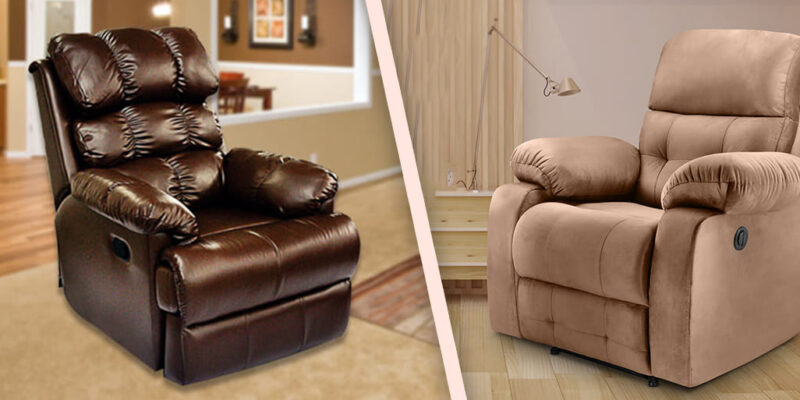
Selecting the perfect seat for your living space is a more significant decision than many realise. What was once simple furniture for lounging has transformed into an essential piece for health and daily relaxation. Modern designs focus on ergonomic support that can alleviate pressure and improve posture.
With NHS data suggesting up to 80% of UK adults experience back pain, the right supportive seating is crucial. Today’s models blend seamlessly with contemporary interiors whilst actively contributing to a person’s well-being.
This leaves buyers with a fundamental choice. Do you opt for a traditional manually operated model or a contemporary powered version? Each type offers a distinct set of advantages tailored to different lifestyles and needs.
Making the best selection depends on several personal factors. These include physical requirements, available room, financial planning, and desired features. This guide will provide a clear comparison to navigate the options available in 2026.
Key Takeaways
- Modern seating solutions are vital for posture and alleviating common back issues.
- The market offers both manually operated and powered models, each with distinct benefits.
- An informed purchase decision requires analysing personal needs, space, and budget.
- Ergonomic design can significantly enhance daily relaxation and overall well-being.
- Technological features in powered units offer convenience but may influence cost.
- The right selection should complement your interior décor whilst providing practical support.
Introduction to Comfort in Recliner Chairs
The foundation of choosing supportive furniture lies in grasping the difference between hand-operated and motorised units. Today’s market for lounge seating is built upon these two primary categories.
An Overview of Manual and Electric Options
One style relies on the user’s physical engagement. A lever or a push-back mechanism adjusts the position. The other type uses a quiet motor for movement.
This motorised option is controlled with a simple button or remote. Both categories aim for the same optimal 135-degree reclining angle. Research shows this position greatly reduces spinal pressure.
Key Comfort Trends in 2026
Current priorities focus on personalised support. Buyers look for models with multiple adjustable positions. Integrated wellness features are also highly sought after.
These include gentle massage systems and soothing heat functions. The goal is a seat that actively contributes to well-being. Improved circulation and muscle relaxation are key benefits.
Modern design seamlessly blends these technical elements with stylish aesthetics. The result is furniture that supports health while complementing a contemporary home.
Understanding Manual Recliners: Features and Benefits
The operation of a manual recliner hinges on straightforward physical principles. These models offer distinct features and advantages for those prioritising reliability and direct control.
How Manual Recliners Operate
These units function via robust mechanical systems. A side lever, when pulled, releases internal springs and hinges.
This action extends the footrest and reclines the backrest into a preset position. Push-back mechanisms use the user’s body weight to tilt the seat. Pull-tab controls integrated into the armrests offer another option.
All methods rely entirely on physical engagement, never on electrical power.
Core Benefits and Ergonomic Support
A primary benefit is complete independence from electricity. This ensures the chair works during a power cut and needs no outlet.
The simplicity of having fewer moving parts reduces the risk of failure. Maintenance is minimal, and repairs are often straightforward.
Well-designed manual recliners provide excellent support. Quality cushioning and frame construction promote good posture. Their limited preset angles are thoughtfully set for relaxation and reading.
This combination of durability, simplicity, and lower cost makes a manual recliner a sensible, long-lasting choice.
Exploring Electric Recliners: Innovation and Ease
A quiet motor and a simple remote can transform the experience of settling into your favourite spot. This is the core promise of the modern electric recliner. It represents a shift towards seamless, personalised relaxation.
These models prioritise ease and technological integration for the contemporary home.
Motorised Functionality and Customisation
Operation is effortless. A handheld remote or integrated button panel activates smooth, silent motors. This eliminates any physical strain, making adjustment accessible to all.
Premium units feature multiple independent motors. This allows the footrest, backrest, and headrest to move separately. The result is infinite adjustability for a precise comfort position.
Concerns about power use are often overstated. The motors draw electricity only during the brief moments of adjustment. Daily consumption is minimal.
Advanced Design and Technological Features
Modern design integrates practical features for daily convenience. Many include USB ports, wireless charging pads, and holders for smartphones or tablets.
Wellness technology is a key advancement. Built-in systems offer:
- Multiple intensity massage programmes.
- Soothing heat therapy for muscles.
- Programmable memory for favourite positions.
The most significant innovation for many is the power lift function. It gently tilts the entire seat forward to assist with standing. This offers crucial support for those with limited strength or mobility.
These models deliver sophisticated comfort at the touch of a button.
Recliner Chairs vs Electric Recliners: Comfort Features Comparison 2026
A thorough feature comparison helps clarify which relaxation solution aligns with individual needs. This side-by-side analysis examines the core attributes that define each category.
Detailed Comparison of Key Attributes
The table below summarises the fundamental differences:
| Attribute | Manual Type | Electric Type |
|---|---|---|
| Operation | Lever or body pressure | Motorised button control |
| Power Requirement | None | Electrical outlet needed |
| Recline Positions | Limited presets | Multiple adjustable angles |
| Physical Effort | Moderate | Minimal |
| Maintenance | Low | Moderate |
| Price Point | More affordable | Premium investment |
User Experience Across Different Models
For budget-conscious users, a manual recliner provides reliable comfort. Its straightforward features require no power.
Electric models, however, deliver customised positions for optimal relaxation. They suit those who prioritise effortless use.
Daily interaction varies. The manual style works well in rooms without sockets. Powered units offer greater accessibility for all.
User Ergonomics and Home Comfort
Creating a truly comfortable home environment involves more than just soft cushions. It requires intelligent support for the human form. Ergonomic principles transform a simple piece of furniture into a sanctuary for relaxation and well-being.
Supportive Design for Back and Body
Quality design provides targeted lumbar support. This maintains the spine’s natural curve, preventing slouching. Proper alignment is crucial for long-term comfort.
The optimal 135-degree reclining angle is scientifically proven to reduce spinal pressure. Elevating the legs in this position improves circulation. It helps reduce swelling and discomfort in the lower extremities.
This supported posture encourages muscles to release accumulated tension. It triggers the body‘s natural relaxation response. Research links proper pre-sleep unwinding to a 37% improvement in sleep onset.
Well-proportioned seats offer adequate depth and width. This accommodates different body types without pressure points. Padded armrests provide extra support for shoulders and arms.
Strategically placing a recliner chair in a living room or bedroom creates a dedicated retreat. It becomes a zone for decompression within the home. Both manual and powered recliner chair models can deliver this essential ergonomic comfort.
Maintenance and Durability Considerations
Beyond the initial comfort, the practical realities of maintenance and durability shape the ownership experience. A long-lasting piece requires understanding its care needs.
This knowledge protects your investment and ensures reliable service for years. We examine the key differences in upkeep and lifespan.
Longevity of Manual Mechanisms
A manual recliner boasts a significant durability advantage. Its simpler construction has fewer moving parts.
This directly reduces the probability of a breakdown. High-quality manual recliners feature robust metal frames.
They are built to withstand thousands of recline cycles. Maintenance is minimal and often a do-it-yourself task.
“The longevity of furniture often lies in the simplicity of its mechanics,” notes a furniture engineering report.
Owners typically need only to clean the upholstery and occasionally lubricate pivot points. Most repairs are straightforward and don’t require a professional.
Upkeep Requirements for Electric Models
Motorised recliners contain more complex components. Wiring, motors, and control systems are added.
While quality models are engineered for longevity, these extra parts create more potential failure points. Their durability is high but depends on the electrical systems.
Upkeep involves checking remote controls and ensuring smooth motor operation. Electrical connections should be inspected periodically.
Unlike a manual chair, repairs usually demand a specialist with the right tools. This is a key maintenance consideration.
| Maintenance Aspect | Manual Type | Electric Type |
|---|---|---|
| Primary Components | Springs, levers, frame | Motors, wiring, remote, frame |
| Typical Maintenance | Cleaning, occasional lubrication | Cleaning, electrical checks, remote battery |
| Repair Complexity | Low (often DIY) | High (usually professional) |
| Lifespan Factor | Very high, fewer fail points | High, dependent on electronics |
For both types, adhering to weight limits and cleaning promptly extends life. Reviewing the manufacturer’s warranty terms is highly recommended.
Practical Considerations for Home Use
Practical decisions about lounge seating extend beyond comfort to include room layout and cost. This guide examines key factors for integrating a new piece into your home environment.
Space, Placement and Design Integration
Powered recliner chairs require proximity to electrical outlets. This constraint can limit placement choice in rooms with few sockets.
Manual versions offer greater flexibility for any room. They can be positioned based purely on aesthetic needs and lifestyle preferences.
For compact spaces, smaller models work best. In large living rooms, oversized options provide ample relaxation.
Contemporary designs ensure most types complement modern interiors seamlessly.
Budget and Investment Factors
Manual recliner chair models typically have a lower initial price. They represent a sensible budget option for many households.
Electric versions command a premium price. This reflects advanced mechanisms and enhanced convenience features.
Consider total cost of ownership for your home. Manual styles often incur lower maintenance costs over time.
Evaluate your lifestyle and primary needs carefully. This assessment will determine which investment offers the best long-term value for your specific circumstances.
Service Excellence and Delivery Benefits
Excellent customer service and reliable delivery are integral parts of the modern furniture buying experience. The journey does not finish at the checkout.
It extends to how quickly and smoothly your new piece arrives at your door. Strong post-purchase support completes a positive ownership cycle.
Efficient Solutions with “Next Day Furniture”
Waiting weeks for delivery can be frustrating. A Next Day Furniture service addresses this directly.
It brings a significant convenience factor. This is vital if you need seating quickly for health or recovery reasons.
Professional teams handle the logistics. They ensure your item is placed safely in your home.
Enhanced Customer Support via “Furniture Next Day”
Ongoing assistance is just as important as swift delivery. Comprehensive Furniture Next Day support provides this reassurance.
Help is available for assembly queries or operational guideance. Responsive channels include phone and online chat.
This robust care package builds confidence in your investment. It ensures you feel valued long after your recliner is delivered.
Together, these services create a complete experience. They allow you to focus on pure relaxation without logistical worries.
Conclusion
Armed with comprehensive knowledge, you can now confidently determine which style of supportive seat will best serve your lifestyle. The core distinction remains clear.
Manual models offer straightforward mechanics, renowned durability, and cost-effective simplicity. Powered versions provide effortless convenience, precise adjustability, and advanced features.
Your ideal choice hinges on an honest evaluation of your physical needs, daily routines, and budget. Consider who will use it most and what benefits matter for your relaxation.
Both types of recliner, when selected with care, deliver exceptional support and comfort. There is no single best option for every household. The right piece integrates into your life, providing lasting value and enhancing well-being.











Comments