
 By
By 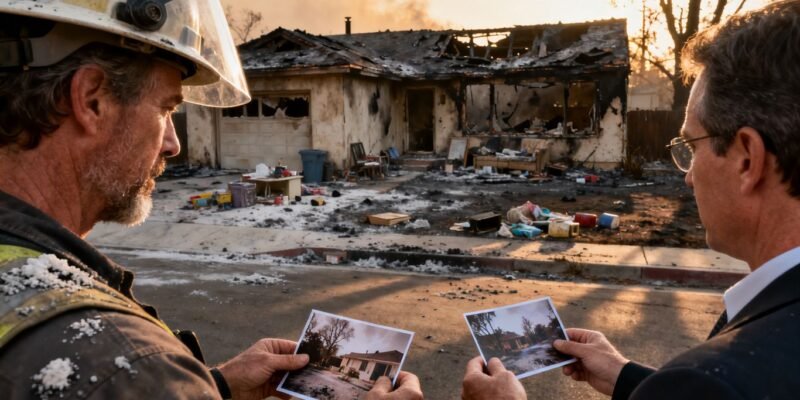
Before making decisions, the policyholder should understand which parts of the property and which expenses may fall within the policy. Wildfire coverage can vary by policy language, location, endorsements, deductibles, and limits. A careful review creates a practical starting point for a wildfire insurance claim for home damage.
Review dwelling, personal property, and other structures coverage
Dwelling coverage generally addresses the home’s main structure and attached features, while personal property coverage concerns belongings such as furniture, clothing, appliances, and electronics. Other structures coverage may apply to detached buildings and features such as a garage, shed, fence, or similar property, depending on the policy. The policyholder should also check whether landscaping, debris removal, code upgrades, or improvements have separate conditions or limits. A plain-language guide to wildfire coverage basics can help organize these questions before speaking with the insurer.
Check wildfire exclusions, deductibles, and policy limits
The declarations page and full policy should be read together. The policyholder should look for fire and wildfire provisions, any separate wildfire deductible, exclusions, sublimits, and the maximum payable amount for the dwelling, belongings, and other structures. In a high-risk area, the policy may contain special terms or a different arrangement for fire protection, so assumptions based on a neighbor’s policy can be misleading.
Understand additional living expense coverage
If the home cannot reasonably be occupied, additional living expense coverage may help with increased costs for temporary housing and other necessary expenses, subject to the policy’s terms and limits. The policyholder should ask what documentation is required, when benefits begin, whether there is a time or dollar limit, and how ordinary household expenses are separated from additional costs. Keeping a simple record of lodging, meals, transportation, laundry, and other related spending makes later review easier.
Follow insurer requirements for preventing further damage
Most policies require reasonable steps to prevent additional covered damage when it is safe and practical to do so. That might include boarding an opening, covering exposed areas, arranging emergency water removal, or moving undamaged belongings away from ash and weather. The policyholder should photograph the condition first, keep receipts, and ask the insurer what emergency work it authorizes; safety remains more important than preserving property for inspection.
Take immediate steps after wildfire damage
The first hours after a wildfire are about safety and stabilization, not perfect paperwork. Evacuation orders, hot spots, unstable structures, contaminated water, and damaged utilities can make a property dangerous even when the flames are gone. The policyholder should follow directions from local authorities and avoid entering until the property has been cleared for safe access.
Make sure the property is safe to enter
A home may contain weakened walls, collapsed ceilings, broken glass, live electrical components, gas leaks, ash contamination, or smoldering material. The policyholder should wait for appropriate clearance and use qualified professionals when utilities, structural conditions, or hazardous materials are involved. If entry is permitted, protective equipment and a second person can reduce risk, but neither replaces a professional assessment.
Contact emergency services and local disaster authorities
Emergency services should be contacted for active fire, smoke, injuries, downed lines, gas concerns, or other immediate hazards. Local emergency management offices may provide reentry instructions, inspection information, debris guidance, and assistance resources. Their records and notices can also help establish when the property was inaccessible or unsafe, although they do not replace the insurer’s claim documentation.
Notify your insurance company promptly
The policyholder should report the loss through the insurer’s claims number, website, agent, or another documented channel as soon as reasonably possible. The initial report can be brief: it should identify the policy, property, approximate date of loss, known damage, current location, and whether the home is habitable. Early notice allows the insurer to assign a claim and explain emergency procedures, even if the full extent of damage is not yet known.
Protect undamaged areas without making permanent repairs
Temporary measures can limit weather, theft, or water damage while preserving the evidence needed to evaluate the original loss. Before covering openings or moving items, the policyholder should take photographs and keep removed materials when doing so is safe. Permanent reconstruction, demolition, extensive cleaning, or disposal should generally wait until the insurer has inspected the property or given clear instructions, unless an emergency requires immediate action.
Document the damage before cleanup
Good documentation gives the claim a factual record that can be reviewed after the first inspection. Wildfire damage is not limited to what looks charred: smoke, ash, soot, heat, firefighting water, and odor may affect structures and belongings in less obvious ways. A systematic record also helps distinguish pre-existing conditions from damage connected to the wildfire.
Photograph and record structural damage
Wide photographs should show each room, elevation, roof area, outbuilding, and surrounding feature, while closer images should capture burned materials, cracking, warping, residue, broken windows, and water intrusion. Video can provide a continuous walk-through, with spoken notes about locations and conditions. The policyholder should avoid altering the scene before documentation and should preserve original files with their dates and backups.
Create an inventory of damaged personal belongings
The inventory should identify each item, its approximate age, brand or model when known, quantity, condition, and estimated replacement cost. Photographs, purchase records, warranties, manuals, bank statements, home videos, and prior inventory files may help reconstruct what was present. A room-by-room approach is less overwhelming than trying to remember the entire household at once.
The following sequence keeps the inventory useful without requiring perfect information on the first pass:
- Start with rooms and storage areas, then record the items in each location.
- Mark whether an item was destroyed, visibly damaged, contaminated, missing, or still under evaluation.
- Add receipts, photographs, model numbers, or other support when available.
- Separate ordinary household contents from high-value items with special policy limits.
A preliminary inventory can be corrected as new information appears. Missing purchase records do not necessarily end the inquiry, but unsupported estimates are harder to evaluate, so the policyholder should explain how each amount was developed.
Preserve receipts, estimates, and temporary repair records
Receipts for hotels, short-term rentals, meals, emergency supplies, storage, protective materials, cleaning, and temporary repairs should be kept in one digital and paper file. Contractor estimates should include the date, scope, materials, labor, and assumptions rather than only a single total. The policyholder should record who authorized each expense and whether payment came from personal funds, a reimbursement, or another source.
Document smoke, ash, water, and soot damage
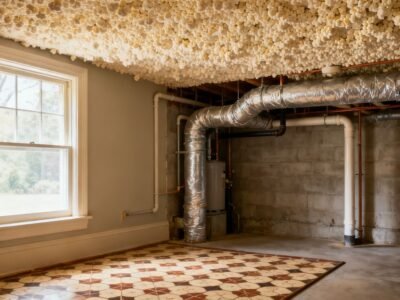
Smoke and ash may settle inside walls, ventilation systems, insulation, cabinets, fabrics, and electronics, while firefighting water can create separate moisture and mold concerns. Visible cleaning does not establish that contamination has been fully assessed. Guidance on smoke and ash damage explains why inspection, testing, cleaning, and restoration records can matter when damage is subtle or continues to emerge.
The policyholder should photograph residue, odors, discoloration, corrosion, and damaged filters or ductwork before cleaning. A qualified inspector or restoration professional may identify conditions that are not apparent during a brief walk-through. The claim file should include those findings, the date of inspection, recommended treatment, and any areas that could not yet be evaluated.
File a wildfire insurance claim for home damage
Once immediate hazards are addressed and the first evidence is preserved, the policyholder can build the formal claim. The insurer will usually need basic loss information first and more detailed estimates or forms later. Clear, consistent communication reduces the risk that an early estimate is mistaken for a complete account of the damage.
Provide the information required for a claim
The initial claim submission should include the policyholder’s contact information, policy number, property address, date and apparent cause of loss, occupancy status, emergency conditions, and a concise description of damage. The insurer may request photographs, an inventory, repair estimates, receipts, mortgage information, or proof of temporary housing. If an answer is unknown, the policyholder should say that it is still being investigated rather than guess.
Ask for a claim number and adjuster contact details
A claim number gives every call, email, estimate, and receipt a common reference. The policyholder should request the assigned adjuster’s name, role, phone number, email address, inspection process, and preferred method for submitting documents. If responsibility changes, the file should be updated with the new contact and a short summary of outstanding questions.
Keep a written record of all communications
A claim diary can include the date, person contacted, issue discussed, documents sent, promises made, and next expected step. Emails should be saved, and telephone conversations should be summarized promptly in a dated note. This record is useful when several vendors or adjusters are involved and helps the policyholder identify unanswered questions without relying on memory.
Learn how deadlines and proof-of-loss forms work
Policies and state rules may impose deadlines for notice, inventories, proof-of-loss forms, repairs, or legal action. The policyholder should read every request carefully and ask the insurer to explain what is required, the due date, and whether an extension is available. A proof-of-loss form is a signed statement supporting the amount and circumstances of a claim; it should not be signed casually when important damage remains unexamined.
Work with the insurance adjuster
The adjuster’s inspection is one part of the claim evaluation, not necessarily the final word on every repair or replacement cost. The policyholder should be present when possible, provide organized evidence, and point out areas affected by heat, smoke, ash, water, and soot. A calm, factual exchange is usually more productive than trying to resolve the entire claim during one visit.
Prepare for the initial inspection
Before the inspection, the policyholder should gather the policy, photographs, videos, inventory, emergency receipts, contractor reports, and a short list of questions. Access should be arranged only for areas that authorities have cleared, and any unsafe locations should be identified. If a qualified professional has already noted hidden or hazardous conditions, that report should be provided to the adjuster.
Compare the adjuster’s estimate with contractor estimates
An estimate should be compared line by line rather than only by its bottom-line figure. The policyholder should look for omitted rooms, outbuildings, demolition, permits, labor rates, material quantities, smoke remediation, code-required work, and taxes. Contractor estimates can support a request for reconsideration, but the contractor should be asked to explain differences with measurements and scope instead of simply declaring the insurer’s number inadequate.
Understand actual cash value and replacement cost
Actual cash value generally accounts for depreciation, while replacement cost coverage may pay the cost to repair or replace covered property subject to policy conditions. Some policies issue an initial amount based on actual cash value and release additional replacement-cost benefits after qualifying work is completed. The policyholder should ask how depreciation is calculated, what deadlines apply, and whether limits or endorsements change the calculation.
Ask how hidden and ongoing damage will be evaluated
Some effects of smoke, ash, heat, water, and soot become clearer only after materials are opened, cleaned, dried, or tested. The policyholder should ask how supplemental damage will be reported and whether the insurer wants notice before walls, floors, ductwork, or insulation are disturbed. A written scope from an appropriate specialist can connect the condition to the wildfire and explain why a proposed treatment is necessary.
Manage temporary housing and repair decisions
Housing and repair decisions often need to be made before the claim is fully resolved. The policyholder should protect the household’s safety and stability while avoiding commitments that exceed available coverage or prevent a proper inspection. Written approvals, realistic budgets, and qualified professionals make the process easier to manage.
Use additional living expense benefits appropriately
The policyholder should ask the insurer what additional living expense coverage includes, how spending is measured against the household’s normal costs, and how long approval lasts. Lodging, utilities, meals, pet care, storage, and transportation may be treated differently under different policies. A monthly expense log and copies of invoices can show both the additional amount and the reason it was necessary.
Choose qualified contractors and restoration professionals
Contractors should be verified through licensing records, insurance documentation, references, and a written scope of work. For smoke, ash, water, or soot, the policyholder should ask what inspection, containment, cleaning, testing, and disposal methods will be used. The insurer may suggest vendors, but the policyholder should understand who is responsible for the work and should not treat a referral as a guarantee of quality.
Get approval before major repairs or debris removal
Before demolition, debris hauling, extensive remediation, or reconstruction, the policyholder should ask the insurer whether inspection, photographs, samples, or written approval is required. Local authorities may impose separate requirements for hazardous waste and debris disposal. If emergency work cannot wait, the policyholder should document the condition, notify the insurer, and preserve contracts, invoices, and removed materials where safe.
Watch for contractor fraud and pressure tactics
Wildfires create conditions in which unverified contractors may demand large deposits, offer unusually fast repairs, or ask the property owner to sign incomplete paperwork. The policyholder should be cautious about assignments of benefits, blank contracts, inflated estimates, and requests to misstate damage. Multiple written bids and a cooling-off period can help prevent a rushed decision when the household is already under strain.
Address delays, underpayments, or claim denials
A disagreement does not always mean the claim is finished. The policyholder should identify whether the dispute concerns coverage, causation, valuation, missing evidence, a deductible, a deadline, or the scope of repair. The next step is usually stronger when it responds directly to the insurer’s stated reason rather than repeating a general objection.
Review the insurer’s explanation of its decision
The policyholder should request the relevant policy language, estimate, photographs, reports, depreciation calculation, and written explanation supporting a denial or partial payment. The explanation should be compared with the actual condition of the property and with any endorsements or additional coverage. If the insurer relies on an exclusion, the policyholder should ask which facts it believes trigger that exclusion and whether other portions of the loss remain covered.
Request reconsideration with supporting evidence
A reconsideration request can include a revised inventory, contractor scope, engineer or restoration report, photographs, receipts, test results, and a clear response to each disputed item. The policyholder should identify the requested action, such as adding a room, revising a quantity, evaluating smoke contamination, or reviewing replacement-cost benefits. Keeping the request organized by issue makes it easier for the insurer to respond meaningfully.
Use appraisals, mediation, or an independent adjuster
The policy may provide appraisal or mediation procedures, and state programs may offer additional ways to resolve certain disputes. An independent adjuster or other claim professional can help organize evidence and evaluate the estimate, but the policyholder should understand the person’s credentials, fees, scope, and whether representation creates any contractual obligations. These options address different problems, so the policy language and the nature of the dispute should guide the choice.
Know when to consult your state insurance department or an attorney
A state insurance department may explain applicable claim-handling rules, deadlines, complaint procedures, and consumer resources. An attorney may be appropriate when the dispute involves a substantial loss, complex policy language, a threatened legal deadline, alleged bad-faith conduct, or a denial that remains unresolved after supporting evidence is submitted. Before seeking help, the policyholder should assemble the policy, claim diary, estimates, correspondence, photographs, receipts, and decision letters so the issue can be assessed efficiently.










Comments