
 By
By 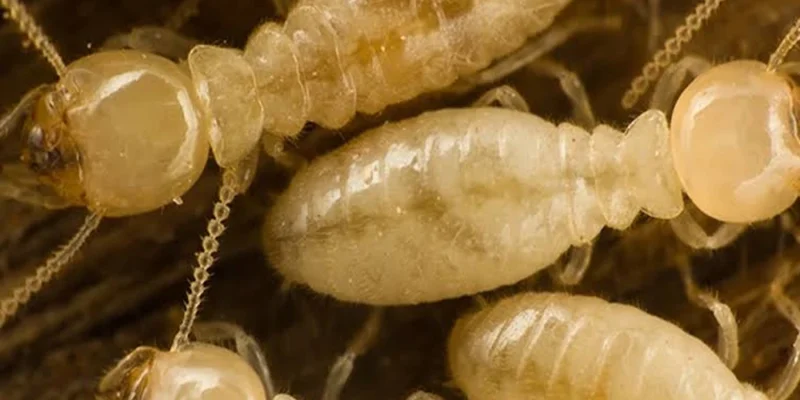
Two kinds of termites damage homes in Lake County. Subterranean termites and drywood termites look similar to most people, but they live and feed in different ways. Telling them apart changes where you look for them and how they are treated. The first thing to work out is which of the two you have, and that question is a common reason to visit www.saelapestflorida.com. The answer points to the right place to look and the right way to treat.
The main difference comes down to water. Subterranean termites need moisture and soil. Drywood termites can live inside dry wood with no soil contact at all. That one difference explains almost everything else about them.
Where They Live
Subterranean termites live in the soil and build their colonies underground. They come up to feed on wood and return to the soil for moisture. To cross concrete or open ground, they build mud tubes that keep them damp and hidden. A colony can be large, with many thousands of workers, and it can send them a good distance to reach a house. Drywood termites live inside the wood they eat. UF/IFAS notes that they do not need soil or outside moisture. A colony can live entirely within a beam, a door frame, or a piece of furniture, which is why drywood termites can turn up in an attic or on a second floor, well away from the ground.
How They Get In
Subterranean termites reach a house from the soil. They enter through cracks, expansion joints, and openings where pipes pass through a slab, or by building mud tubes up a foundation wall. Damp soil against the house makes the job easier for them. Drywood termites arrive by air. Winged swarmers fly to a house and enter through cracks and openings in bare wood. Exposed trim, fascia, eaves, and unsealed wood give them a place to start, while paint and sealant that close those cracks make a home harder to enter.
How the Damage Differs
The two termites damage wood in different ways. Subterranean termites follow the grain and leave soil and mud inside the galleries, so damaged wood often looks dirty and feels damp. Drywood termites keep their galleries clean and smooth, and they push their dry pellets out through small holes. Subterranean colonies are usually larger, so they can do noticeable damage faster once they reach a home. Drywood colonies grow more slowly, but they can work for years inside one piece of wood before anyone notices.
The Signs They Leave
The two termites leave different clues, which helps with identification:
- Subterranean termites leave mud tubes, pencil-width lines of dried mud on foundations, walls, and framing.
- Drywood termites leave fecal pellets. UF/IFAS describes them as six-sided and about one to two millimeters long, like sawdust or coffee grounds, in small piles below the wood.
- Both leave discarded wings after a swarm, usually in equal-length pairs near windows and doors.
How to Tell Which You Have
The location and the leftovers usually point to the answer. Mud tubes on the foundation, a crawl space, or a garage wall point to subterranean termites working up from the soil. Small piles of dry pellets on a window sill, a floor, or a shelf point to drywood termites in the wood above. Damage low on the house and near the ground leans subterranean. Damage in the attic, the trim, or upper framing leans drywood. When the signs are mixed or hard to place, an inspection can confirm it.
Why the Difference Changes Treatment
Knowing the type points to the right treatment. Subterranean termites are treated from the soil, with a liquid barrier or a bait system that reaches the underground colony. Drywood termites live in the wood, so treatment targets the wood itself. UF/IFAS notes that small drywood infestations can be handled with wood replacement, termiticide injection, or heat, while a whole-house infestation may need fumigation or whole-structure heat. A soil treatment does little for a drywood colony in an attic beam. A fumigation does not address a subterranean colony in the yard. Getting the type right saves money and gets the correct treatment the first time.
Which One Is More Likely in Lake County
Both termites are common in central Florida. Subterranean termites cause most of the termite damage in the state, helped by the warm, damp soil. Drywood termites are a constant risk too, especially in exposed wood and older homes. A home near the water or with a lot of bare outdoor wood can face either one, so neither can be ruled out without a look.



Comments