
 By
By 
Most homeowners discover water damage by accident. A sock gets soaked on the basement stairs, a hall closet starts smelling like an old cabin, or a brown ring appears on the ceiling the week guests arrive. Very few people go looking for trouble on purpose. The damage that ends up costing the most usually starts small, though, and gives off clues for weeks before anyone sees standing water. Early autumn in Central Maryland is when those clues are easiest to catch.
The timing has a reason behind it. Months of heavy summer air have soaked into drywall, carpet pad, framing, and insulation throughout the house. Fall then adds steady rain, leaves that choke gutters, and the first furnace cycle, which pushes air through ducts that stayed damp all summer. A house reacts to those changes in ways you can smell, feel, see, and hear, as long as you know what each signal means.
Two numbers are worth keeping in mind before you start. The EPA recommends keeping indoor humidity between 30 and 50 percent and not letting it stay above 60. It also advises drying wet materials within 24 to 48 hours to keep mold from taking hold. Nearly every warning sign below traces back to one of those two limits being crossed.
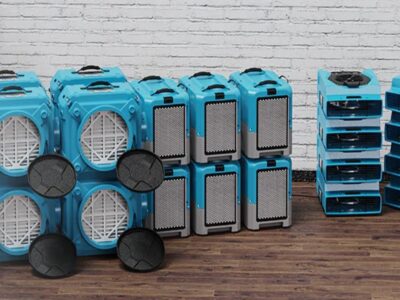
When the signs point to more than a weekend fix, Flood Solutions Inc is worth having on speed dial. The Parkville team has more than 30 years in the restoration industry, holds IICRC certification, and covers Baltimore City and Baltimore, Anne Arundel, Carroll, Harford, and Howard counties. They handle water extraction and structural drying, mold removal and prevention, fire and smoke cleanup, carpet cleaning, and air duct cleaning. They answer calls day and night and aim to be at your door within 60 minutes. Every job comes with a one year workmanship warranty, they work directly with your insurance company, and crews speak both English and Spanish. Seniors, military families, first responders, and educators also receive discounts.
Start with your nose
Smell is usually the first warning and the one people ignore most. Musty odors come from compounds that mold releases as it feeds. You can often smell them long before any growth is visible. The trouble is that noses adjust within minutes, so the best test is to step outside for a while, come back in, and walk straight to the lowest level of the house.
Pay attention to where the smell is strongest. If it concentrates in one corner, look for a wall or floor problem nearby. If it seems to come from the vents, especially during the first days of heating season, the ductwork is the likely source. A dusty, slightly burnt smell during the furnace’s first hour is normal and fades. An earthy smell that is still there the next morning is not normal.
Run your hands along the lower half of the house
Touch picks up what eyes miss. Walk the basement and any ground floor rooms, and press your palm against the bottom foot of the exterior walls and the carpet beside them. Surfaces that feel noticeably cooler than the rest of the room are often damp, because evaporation pulls heat out of them.
Carpet deserves extra attention. Pad can hold a surprising amount of water while the fibers on top feel almost dry. If a spot feels cold, slightly stiff, or gives a little more than it should underfoot, the pad below may have been wet for a while.
The same test works on bathroom floors near the toilet base and on the cabinet floor under the kitchen sink. Particleboard swells slowly and feels soft long before it looks ruined.
Look low, then look up
Visual signs split into two groups. Low in the house, you’re looking for water coming in from outside or up from the ground:
- A white, powdery crust along block or poured foundation walls. These are minerals left behind as water passes through the masonry.
- Paint bubbling just above the baseboards.
- Rust at the bottom of metal shelving, the water heater, or the furnace cabinet.
- A gray bloom on leather shoes and bags stored in lower level closets.
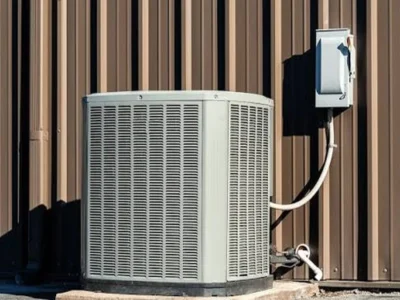
Higher up, the concern shifts to roofs, plumbing, and air handling. Look for faint yellow rings on ceilings under bathrooms, dark specks around the edges of supply registers, and drips at the air conditioner’s condensate line. That line tends to clog at the end of a humid summer, and when it overflows, the water often runs unseen onto the floor under the unit.
Listen during the next storm
Sound is the sense people rarely use for water, but a heavy fall rain turns the house into a loud and useful test. Stand in the basement during a downpour.
A sump pump that starts, runs briefly, and stops is doing its job. One that runs nonstop, clicks without pumping, or rattles is telling you something. Most pumps last roughly 7 to 10 years, and many fail during the first big storm after a long dry spell because the float switch has stuck. You can test it ahead of time by pouring a bucket of water into the pit and watching whether the pump starts and empties it.
Outside, gutters that overflow in a sheet instead of draining through the downspouts sound very different from ones that are working. That overflow lands right against the foundation, which is exactly where you don’t want it.
Where a flashlight stops being enough
Some situations call for professional equipment instead of more investigating on your own. A good rule is to call in help when any of these apply:
- Water has reached drywall or carpet pad and you can’t dry it within two days.
- The water came from outside flooding or a sewer backup. Restorers classify this as the most contaminated kind of water, and porous materials it touches usually have to be removed rather than dried.
- Musty odors keep coming back after you’ve cleaned and run a dehumidifier.
- Visible growth covers more than a small patch, or you see it inside the ductwork.
If insurance might be involved, photograph everything before you move it, note the time you found the problem, and hold on to a cut sample of any damaged carpet.
A house rarely fails without warning. It usually shows the problem gradually through a smell, a cold spot, a stain, or a noise from the basement. Autumn is a good time to pay attention, while the weather is still mild and a small fix doesn’t have to compete with a frozen January pipe.









Comments