
 By
By 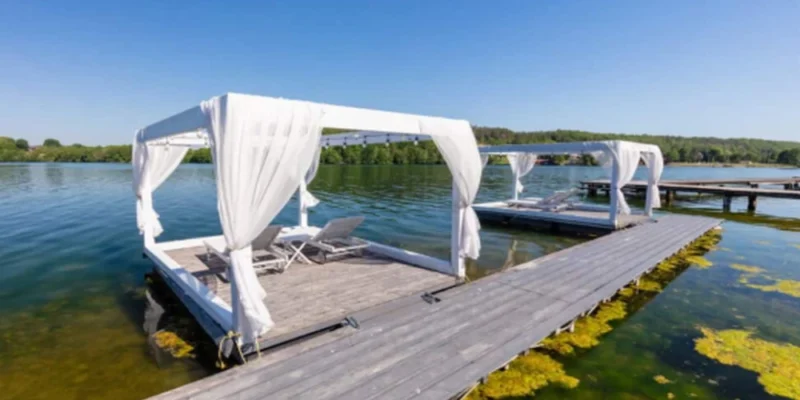
A leisure dock gives you a place to fish, launch a kayak, or enjoy a quiet evening by the water. When a storm approaches, though, that same waterfront setting leaves it exposed to rising water, rough waves, and floating debris.
Protecting your dock starts well before the forecast turns serious. Routine inspections, suitable anchoring, and a clear preparation plan can help reduce damage. No dock is hurricane-proof, but understanding its limits gives you a better chance to address weak points early.
At Supreme Floating Docks, we help waterfront property owners explore dock systems that fit their site and daily needs. Storm preparation should be part of that planning from the beginning.
Key Takeaways
- Storm surge, waves, debris, and erosion can damage different parts of a dock.
- Floating docks can follow changing water levels, but their movement has limits.
- Anchors, pilings, connections, and gangways matter as much as decking materials.
- Remove loose belongings and complete preparation before conditions become dangerous.
- After a storm, inspect from shore first and keep damaged electrical equipment off.
What Causes Dock Damage During Florida Storms?
Storm damage often comes from several forces acting together. A dock may handle ordinary tides and boat wakes well, yet struggle when higher water, strong currents, and debris arrive at once.
Rising Water and Storm Surge
Storm surge can raise water above the levels a dock was designed to accommodate.
On a fixed dock, rising water and waves may push against the underside of the decking. A floating dock can rise with the water, but it can also reach the limits of its guides, anchoring system, or gangway.
Floating docks may even lift over the tops of pilings if water rises high enough. BoatUS identifies piling height as an important consideration when evaluating hurricane exposure. BoatUS hurricane preparation guidance
Waves, Wind, and Strong Currents
Waves repeatedly push, lift, and twist dock sections. Wind can damage accessories and increase the loads that attached boats place on the structure.
Connections are especially important. A dock may have sturdy decking while a worn hinge, loose bracket, or damaged anchor connection creates a weak point.
Floating Debris and Loose Boats
Branches, broken dock sections, and unsecured boats can strike a dock during a storm. These impacts may damage decking, frames, floats, and pilings.
Debris can also become trapped underneath or between sections, restricting movement and adding strain.
Erosion and Scour
Moving water can wash away shoreline soil or sediment around supports. This loss of material, sometimes called scour, may affect piling stability or undermine a gangway landing.
Some damage will be underwater and difficult to see. A dock that appears straight from shore may still need a closer professional assessment.
How to Prepare Your Leisure Dock Before a Storm
1. Inspect the Entire Dock System
Start with an inspection before storm season and follow the maintenance schedule recommended for your dock. Older systems, exposed sites, and docks with previous damage may need more frequent attention.
Look for:
- Loose or missing hardware.
- Cracked decking or damaged frames.
- Corrosion around connections.
- Damaged floats or uneven floating sections.
- Worn pile guides, hinges, and gangway connections.
- Changes around shoreline supports.
Ask a qualified marine contractor to evaluate structural concerns and components below the waterline. Replacing a worn board will not solve an underlying anchoring problem.
2. Check the Anchoring System and Movement Limits
A floating dock needs controlled movement. It must rise and fall while remaining securely positioned.
Have a professional review the anchoring arrangement, piling condition, available vertical travel, and gangway movement. These parts need to work together under the conditions expected at your property.
Avoid adding tight lines, extra anchors, or makeshift braces without guidance. An improvised restraint may prevent necessary movement or transfer force to a weaker connection.
3. Choose Materials as Part of a Complete Design
Aluminum, composite decking, and properly selected treated wood can all have a role in dock construction. But material choice alone does not establish storm resistance.
Frame design, fastener compatibility, connection strength, anchoring, and site exposure also matter. Corrosion-resistant hardware must be suitable for the surrounding materials and water conditions.
When considering an upgrade, ask how the complete system fits your waterfront location. A sheltered canal and an open bay can place very different demands on a dock.
4. Remove Furniture and Other Loose Items
Move chairs, umbrellas, fishing equipment, portable storage boxes, and decorations to a secure location before winds increase.
Kayaks and paddleboards should also be moved and secured according to your storm plan. Leaving them loosely tied to the dock can create extra loads and impact hazards.
Remove dock sections or accessories only if the system was designed for removal and you have an established procedure. Do not begin unfamiliar dismantling work as a storm arrives.
5. Make a Separate Plan for Your Boat
Dock preparation and boat preparation are connected, but they are not the same job.
A boat can place substantial force on cleats, pilings, and dock connections during rough weather. Decide early whether the vessel will be hauled out, relocated, or secured under a plan suited to the site.
Arrange help and storage in advance. BoatUS emphasizes that hurricane plans must account for the individual facility and that moving or hauling boats takes time. BoatUS storm planning guidance
6. Plan for Electrical Safety
If your dock has lights, outlets, or a boat lift, have a qualified electrician explain the proper shutdown procedure before storm season.
When advised, shut off dock power from a safe, dry location before flooding begins. Do not enter water or approach wet electrical equipment to disconnect it.
After flooding or electrical damage, leave the affected system off until an electrician has checked it. The CDC advises against operating electrical equipment while standing in water and recommends inspection before restoring power when equipment has been wet. CDC hurricane safety guidance
Are Floating Docks Better Than Fixed Docks During Storms?
Neither type is automatically the better choice for every property.
Floating docks can accommodate changing water levels within their design limits. That can be useful, but it does not protect them from extreme waves, debris impacts, anchor failure, or water levels beyond their available travel.
Fixed docks have different limits, including their elevation and the forces that water can apply to the decking and supports.
The right choice depends on water depth, shoreline conditions, exposure, intended use, and engineering requirements. Converting to a floating dock should follow a site assessment rather than a general promise of better hurricane performance.
What to Do After the Storm
Inspect From Shore First
Wait until local officials say it is safe to return. From stable ground, look for leaning pilings, missing sections, uneven decking, damaged gangways, and exposed wiring.
Keep people off the dock if anything has shifted or appears unstable. Do not walk onto it simply to get closer photographs.
Document Visible Damage
Take photos and video from safe locations. Save inspection records, repair invoices, and any pictures showing the dock before the storm.
These records can help document an insurance claim, but they do not determine coverage. Ask your insurer about the policy’s terms, exclusions, deductibles, and claim requirements.
Arrange a Professional Assessment
A marine contractor can assess visible damage and determine whether underwater inspection or engineering review is needed.
Modular construction may allow individual sections to be replaced, but the surrounding connections and anchoring system still need evaluation. A replacement module will not correct a damaged support system.
Confirm Requirements Before Rebuilding
Repairs, replacement, or changes to a dock may require permits or verification of an exemption. Florida DEP offers an exemption self-certification process for qualifying single-family dock projects, including certain repairs and replacements. Other approvals may still apply. Florida DEP dock permitting information
Confirm the requirements for your property before changing the footprint, anchoring, or shoreline.
Plan Ahead With Supreme Floating Docks
The best time to discuss your dock’s condition is before a storm puts it to the test.
Supreme Floating Docks offers leisure docks, residential and commercial floating dock options, aluminum docks, and gangways. The right conversation starts with how you use the waterfront and what conditions the site presents.
Whether you are planning a new dock or considering changes to an existing system, contact Supreme Floating Docks to discuss your project. Careful planning can help you choose a practical system and understand what it needs before, during, and after storm season.
This post was written by a professional at Supreme Marine Floating Docks. Supreme Marine Floating Docks is dedicated to providing top-quality floating docks and marine accessories that combine durability, innovation, and superior performance. While we are a new brand, our team brings over 50 years of combined industry experience, making us trusted marina contractors Miami. We are passionate about designing and delivering products that meet the highest standards, ensuring reliability and longevity in all marine environments. Whether for residential, commercial, or recreational use, our docks are crafted with precision and care, setting a new benchmark in the industry. At Supreme Marine, we don’t just build docks-we create lasting solutions.







Comments