
 By
By 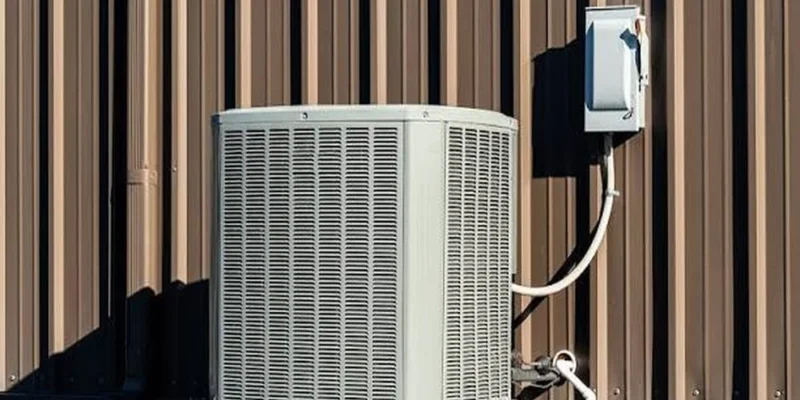
High humidity can make your home feel much warmer than the temperature shown on the thermostat. Even when your air conditioner is running, the air may still feel sticky, damp, and uncomfortable. Many homeowners think their AC is not cooling properly when, in reality, excess humidity is making the indoor air feel heavier. If your system struggles to control both temperature and moisture, scheduling air conditioning repair Warner Robins can help identify problems before they affect your comfort or lead to costly repairs.
Your air conditioner does more than cool your home. It also removes moisture from the air as part of the cooling process. When humidity levels become too high or the system is not working efficiently, it cannot remove enough moisture to keep your home comfortable. Understanding how humidity affects your air conditioner can help you recognize problems early, improve indoor comfort, and keep your cooling system working efficiently throughout the year.
What Is Indoor Humidity?
Humidity is the amount of moisture in the air. Every home has some level of humidity, and that is completely normal. However, when there is too much moisture indoors, the air starts to feel damp and uncomfortable. You may notice that your home feels warmer than usual even though the thermostat is set to a comfortable temperature.
Your air conditioner is designed to remove some of this moisture while cooling your home. As warm indoor air passes over the evaporator coil, moisture collects on the coil and drains away. This process helps lower humidity while making the air feel cooler and more comfortable.
Why High Humidity Makes Your Home Feel Hotter
High humidity affects how your body cools itself. Normally, sweat evaporates from your skin and helps lower your body temperature. When the air already contains a lot of moisture, sweat cannot evaporate as easily. As a result, your body feels warmer even if the room temperature has not changed.
This is why a home with high humidity often feels uncomfortable, even when the air conditioner is running. Many people respond by lowering the thermostat, hoping the house will feel cooler. Unfortunately, this causes the air conditioner to run longer without solving the real problem.
Your Air Conditioner Has to Work Harder
When humidity levels are high, your air conditioner has two jobs. It must cool the air while also removing extra moisture. This extra work makes the system run for longer periods, especially during hot and humid weather.
Longer operating times increase wear on important parts such as the compressor, fan motor, and blower. Over time, this added strain can reduce efficiency and increase the chance of unexpected repairs. A system that constantly works harder than necessary may also have a shorter lifespan.
Higher Energy Bills
One of the first signs of high indoor humidity is an increase in your electricity bill. Since your air conditioner runs longer to keep your home comfortable, it uses more energy each day.
Many homeowners assume higher energy costs are simply caused by hotter weather. While outdoor temperatures certainly play a role, excess humidity can also force the system to work much harder than normal. Improving humidity control can help reduce unnecessary energy use while making your home feel cooler.
Poor Indoor Air Quality
High humidity affects more than comfort. It can also reduce the quality of the air inside your home. Damp conditions create an environment where mold, mildew, and dust mites are more likely to grow. These can affect people with allergies, asthma, or other breathing conditions.
You may also notice a musty smell in certain rooms or moisture collecting on windows and other surfaces. Keeping indoor humidity at a healthy level helps create a cleaner and more comfortable living space for everyone in the home.
Signs Your Home Has Too Much Humidity
Sometimes the signs of high humidity are easy to notice. Other times, they develop slowly over weeks or months. Paying attention to these changes can help you identify the problem before it affects your HVAC system.
Common signs include:
- Your home feels sticky or damp.
- The air feels warm even when the AC is running.
- Windows collect moisture or condensation.
- Rooms have a musty smell.
- Mold or mildew appears in damp areas.
- Your air conditioner seems to run almost constantly.
If you notice several of these signs, your air conditioner may not be removing enough moisture from the air.
How to Help Your Air Conditioner Control Humidity
Keeping humidity under control starts with regular HVAC maintenance. A clean air filter allows air to move freely through the system, helping it cool and remove moisture more efficiently. Replacing dirty filters on time also reduces unnecessary strain on important components.
It is also important to keep the outdoor unit clean and schedule professional maintenance every year. During a service visit, a technician can inspect the evaporator coil, check refrigerant levels, clean important parts, and make sure the system is operating as it should. If your home continues to have humidity problems, a whole-home dehumidifier may also be recommended for better moisture control.
When High Humidity May Mean Your AC Needs Repair
Sometimes high humidity is simply caused by weather conditions. However, if your home always feels damp even when the air conditioner runs for long periods, the system may have a problem that needs professional attention.
Low refrigerant levels, dirty evaporator coils, clogged drain lines, or incorrect system sizing can all reduce your air conditioner’s ability to remove moisture. If your AC no longer keeps your home cool and comfortable like it once did, it is a good idea to have the system inspected before the problem becomes worse.
Simple Habits That Help Reduce Indoor Humidity
Along with maintaining your air conditioner, a few everyday habits can help reduce excess moisture inside your home. Using exhaust fans while cooking or showering helps remove humid air before it spreads through the house. Fixing plumbing leaks quickly also prevents extra moisture from building up indoors.
Keeping doors and windows closed while the air conditioner is running helps maintain stable indoor humidity levels. These small changes work together with your HVAC system to create a cooler, drier, and more comfortable home.
Key Takeaways
High humidity can make your home feel uncomfortable even when the air conditioner is running. It forces your cooling system to work harder, increases energy use, reduces indoor air quality, and may shorten the lifespan of important HVAC components. The good news is that regular maintenance, timely repairs, and a few simple household habits can help keep humidity under control. By understanding how moisture affects your air conditioner, you can improve comfort, protect your HVAC system, and enjoy a healthier indoor environment throughout the cooling season.












Comments