
 By
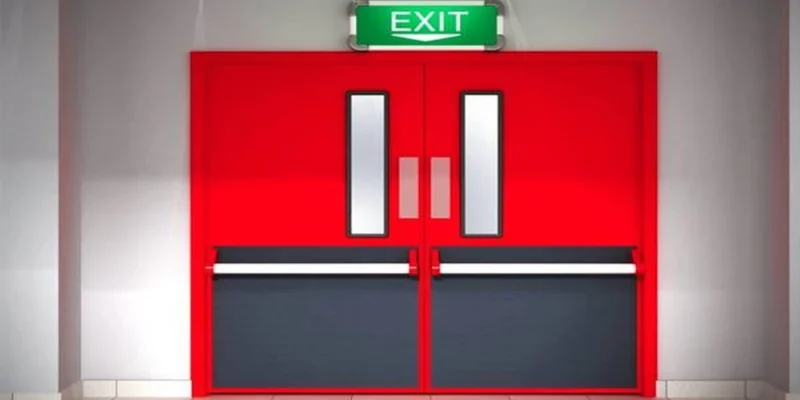
A fire door is usually bought as if it were a product: choose a rating, choose a finish, compare three prices. In practice the door is only as good as the test evidence, the frame, the hardware and the fitting that come with it, and every one of those depends on who supplies it. Finding a fire rated door supplier singapore projects can rely on is therefore less about catalogues and more about confirming that what arrives on site is the same assembly that was tested and certified.
Start With the Rating the Location Requires
Before approaching anyone, establish what the opening actually needs. The fire code sets the required resistance according to where the door sits: a flat entrance onto a common corridor, a protected staircase, a plant room and a compartment wall can each call for something different. Ratings are expressed in time, typically half an hour, one hour or two hours. A supplier who asks about the location and the approved plans before quoting is showing the right instinct.
Check Certification and Labelling
In Singapore, fire doors are regulated products. They must be tested to the recognised local standard and listed with an accredited certification body, and each door leaf should carry a label identifying the manufacturer, the rating and the listing. Ask to see the certificate of conformity for the exact model being offered, and check that its validity is current. A test report alone is not sufficient, because the listing scheme also involves factory surveillance to confirm that production doors continue to match the tested specimen.
Treat the Door as a Complete Assembly
A fire rating belongs to a tested combination of leaf, frame, hinges, seals, closer and lockset, not to the leaf alone. Suppliers differ in how clearly they explain this. A good one will state which frame profiles, which hinge types and which locks fall within the scope of the certification, and will refuse to pair a certified leaf with an untested frame. If a quotation lists only a door leaf and leaves the remainder to the builder, ask how the installed opening will remain compliant.
Weigh Local Manufacturing and Track Record
Suppliers fall broadly into two groups: those that manufacture locally and those that trade doors made elsewhere. Local manufacture tends to mean shorter lead times, easier factory visits and direct accountability when something does not fit. Longevity matters too, since a certified product line has to be maintained through repeated audits over many years. Reading about an established range such as the boon woh fire rated door singapore guide describes gives a useful picture of what a long-standing local manufacturer is expected to document and stand behind.
Ask What Documentation Comes With Delivery
Consultants, main contractors and registered inspectors will all ask for paperwork at some point before handover. At minimum, expect copies of the certificate, the test report summary, delivery orders that tie the labelled doors to the project, and installation instructions. For larger jobs, shop drawings showing each door type against the schedule save a great deal of argument later. A supplier who produces these unprompted has done this before.
Look at Installation Capability
Many failures at inspection come from fitting rather than manufacture: gaps around the leaf that are too wide, frames packed out with unsuitable material, intumescent strips missing or painted over, closers that do not latch the door. Find out whether the supplier installs with its own trained teams, supervises subcontractors, or supplies only. None of these arrangements is wrong, but responsibility must be clear. If supply and installation are split between two parties, define in writing who answers for a door that fails.
Clarify Lead Times and Customisation
Standard sizes in common ratings are often available quickly, while non-standard heights, vision panels, double leaves and special finishes take longer and may need confirmation that the variation sits within the certified range. Ask for realistic production times and whether the factory can phase deliveries to match the construction programme. Doors that arrive months early are damaged in storage, and doors that arrive late hold up inspections.
Confirm Hardware Compatibility Early
Owners increasingly want digital locks, concealed closers or access control on fire doors. Each addition involves cutting into the leaf or frame, and not every device has been tested with every door. Raise hardware choices at the enquiry stage rather than after the doors are made. A knowledgeable supplier will say which locks have been assessed with its doors, where reinforcement is built into the leaf, and which modifications would invalidate the label.
Compare Material and Finish Options
Fire doors need not look industrial. Steel suits plant rooms and service areas, while residential entrances and office interiors are more often timber, finished in veneer, laminate or paint to match the surrounding joinery. If appearance matters, ask which finishes are covered by the certification and view real samples rather than brochure images. The range of timber fire rated door singapore buyers can now choose from shows how far a compliant door can be matched to an interior scheme without compromising its performance.
Making the Final Choice
Shortlist on evidence first and price second. Reject any supplier that cannot produce a current certificate for the exact door offered, or that treats frames and hardware as someone else’s problem. Among those remaining, compare complete installed openings rather than leaves, check that lead times fit the programme, and speak to a recent client about how defects were handled. The right supplier is the one whose doors will pass inspection the first time and still close properly ten years later.











Comments